
Pregnancy brings huge changes to the body: weight increases, the centre of gravity shifts, hormones make ligaments more lax and the pelvic floor carries more and more load. It is no surprise that many women experience pain during these months. What is less well known is that physiotherapy in pregnancy can help a great deal, and safely.
Most common aches during pregnancy
- Lower back pain: affects more than half of pregnant women, especially in the second and third trimesters.
- Pelvic girdle pain: around the sacroiliac joints or the pubic bone, worse when walking, climbing stairs or turning over in bed.
- Sciatica or pain running down the leg.
- Upper back and neck discomfort due to postural changes and breast growth.
- Tingling in the hands due to fluid retention (carpal tunnel syndrome).
How physiotherapy can help
- Assessing the source of pain and teaching you positions and movements that ease it.
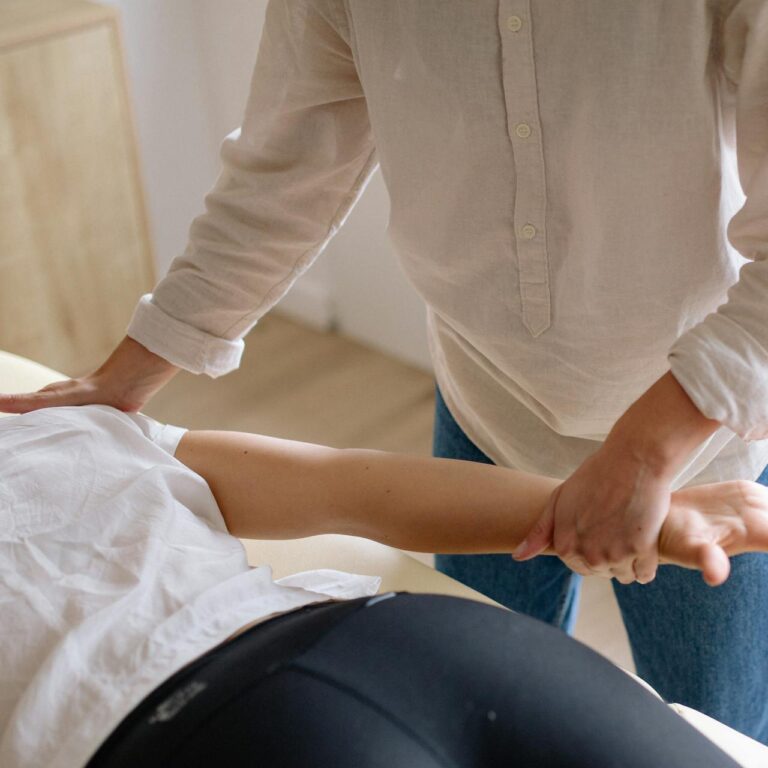
- Gentle manual therapy adapted to each trimester.
- Exercise therapy to maintain back, hip and abdominal strength.
- Assessing and training the pelvic floor to prevent leaks. Read more in our article on pelvic floor physiotherapy.
- Birth preparation: breathing, pelvic mobility and positions.
- Practical tips for sleeping, working and caring for other children without overloading yourself.
Exercise in pregnancy: yes, sensibly
Unless there is a medical contraindication, guidelines recommend staying active during pregnancy, with around 150 minutes a week of moderate activity. Exercise reduces lower back pain, improves mood and helps manage weight gain.
Safe options include:
- Brisk walking.
- Swimming and water exercise.
- Stationary cycling.
- Pilates adapted for pregnancy.
- Moderate strength training.
Avoid contact sports, activities with a risk of falling and, from the second trimester, prolonged exercises lying on your back.
Signs to stop and seek advice
Stop exercising and contact your midwife or obstetrician if you notice bleeding, fluid loss, regular contractions, dizziness, chest pain, a severe headache or sudden swelling.
After birth
Recovery does not end with the birth. A pelvic floor and abdominal check-up from six weeks postpartum is highly recommended before returning to sport, even if you have no symptoms.
Pregnancy physiotherapy in Gines
If you are pregnant and have pain, or want to prepare for birth and the postpartum period, we support you with a plan adapted to each stage, always coordinated with your midwife or obstetrician. At Therapeía Fisioterapia we see patients at Avenida de Europa 3G in Gines (Seville), just minutes from Bormujos, Espartinas, Castilleja de la Cuesta, Valencina and the rest of the Aljarafe area. After a full assessment we design a pelvic floor and pregnancy physiotherapy plan tailored to you. You can meet our physiotherapy team or book an appointment by calling +34 624 244 420.
For more information from a reliable source, see MedlinePlus, the U.S. National Library of Medicine health encyclopedia, on pregnancy.
Frequently asked questions about physiotherapy in pregnancy
Is it safe to see a physiotherapist during pregnancy?
Yes. Physiotherapy adapted to pregnancy is safe and effective for relieving common aches. We always adapt techniques and positions to each trimester.
Which exercises should I avoid when pregnant?
Avoid contact sports or those with a risk of falling, scuba diving and, from the second trimester, spending a long time lying on your back.
When should I start pelvic floor work in pregnancy?
You can start at any time. Ideally begin with an assessment so you learn to activate and relax it correctly.