
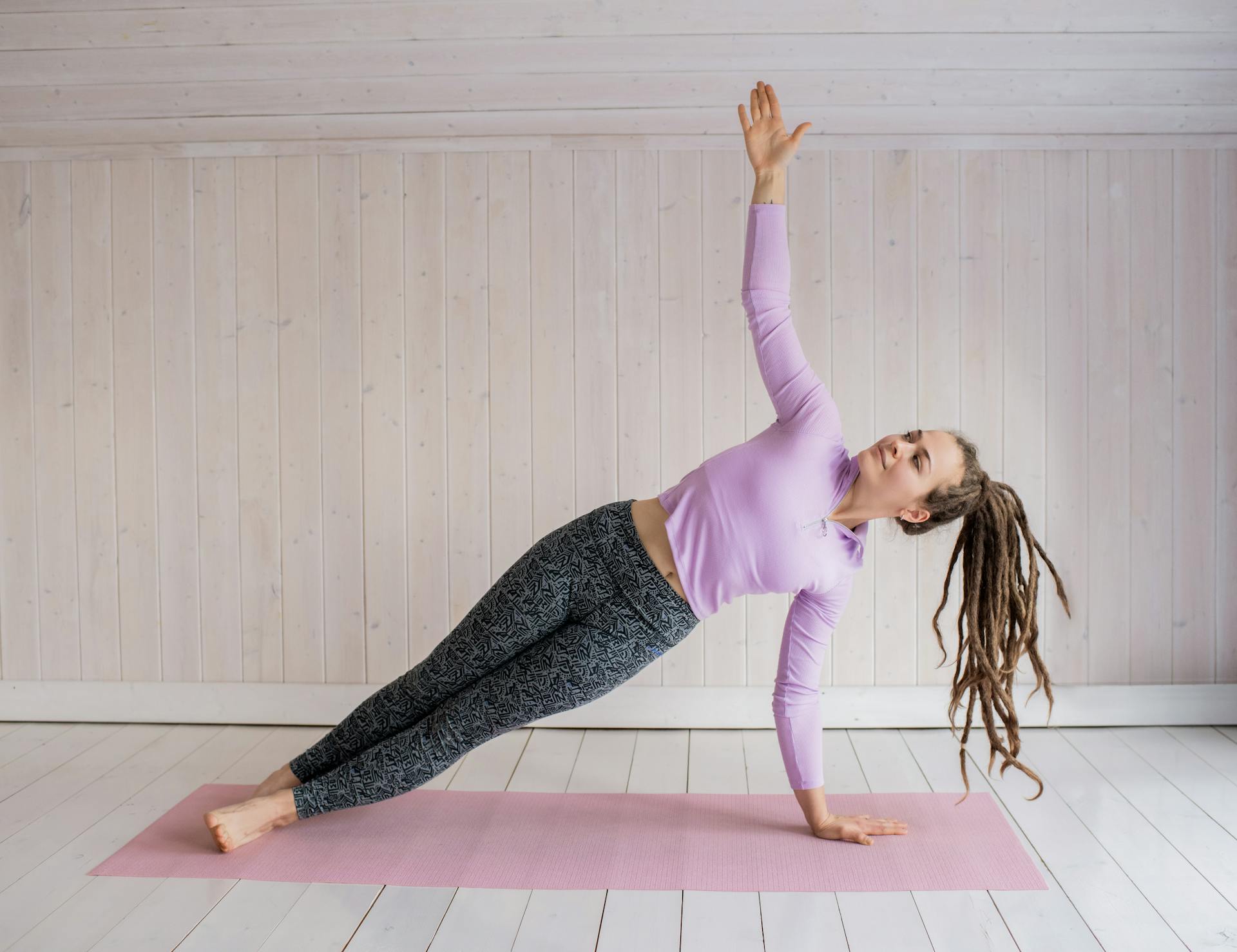
Pilates is a discipline that has gained increasing popularity in physiotherapy clinics, training centers, and movement studios thanks to its mindful, progressive, and profoundly beneficial approach to physical health. Beyond its aesthetic appeal or association with flexibility, this technique is a powerful tool for improving posture, strengthening deep muscles, and preventing joint and muscle pain.
Based on principles such as control, precision, breathing, and concentration, Pilates allows you to work the entire body with gentle yet intense movements, always seeking a balance between stability and mobility. Unlike other methods, it doesn’t focus on mechanically repeating movements, but rather on performing each repetition with full awareness, which enhances its therapeutic and preventative effects.
Why does Pilates help improve posture?
Good posture depends not only on “standing up straight,” but also on having balanced muscles, a stable spine, and well-developed body awareness. Pilates addresses all these aspects, teaching the body to align correctly and support itself effectively without excessive effort.
In each session, the exercises are designed to activate stabilizing muscles such as the transverse abdominis, multifidus, pelvic floor, and deep neck muscles. This activation improves body alignment, reduces tension in overworked areas (such as the trapezius or lower back), and corrects poor postural patterns acquired through bad posture or a sedentary lifestyle.
In addition, the deep breathing work that accompanies each exercise strengthens trunk control and promotes thoracic expansion, resulting in a more upright and natural posture both in motion and at rest.
Muscle strengthening from the inside out
One of the great benefits of Pilates is its ability to work the deep muscles, especially the core, which acts as the body’s control center. This area, which includes the abdomen, lower back, pelvic floor, and diaphragm, is essential for supporting the spine and providing stability to all movements.
Through controlled and progressive exercises, this musculature is strengthened without generating excessive pressure on the joints, making it an ideal method for people with back pain, herniated discs, scoliosis, or postpartum recovery.
Unlike traditional strength training, Pilates doesn’t focus on massive muscle development, but rather on functional activation, coordination, and endurance. This allows you to transfer the benefits of the workout directly to your daily activities, improving overall physical performance without the risk of overexertion.
Body balance and movement control
Balance isn’t just about being able to stand on one leg. It’s also about the balance between muscle chains, between stability and mobility, and between the two hemispheres of the body. Pilates works on these aspects from the ground up, developing body awareness that allows you to detect and correct compensations, imbalances, or inefficient movements.
In each exercise, attention is paid to movement control, body alignment, and symmetry between sides. This makes Pilates a valuable tool for movement retraining and injury prevention, especially for people who participate in high-impact sports or who have suffered previous injuries.
Improved balance is also evident in older people, where regular practice of Pilates helps maintain stability, prevent falls and preserve functional autonomy.
Prevention of muscle and joint pain
Many common physical ailments originate from poor posture, muscle imbalance, or lack of mobility. By addressing these three causes from the outset, Pilates becomes an effective ally in preventing ailments such as:
- Low back or neck pain
- Shoulder and neck tightness
- Chronic low back pain
- Knee pain from misalignment
- Overuse of muscles in athletes
- Joint stiffness due to lack of movement
Strengthening the stabilizing muscles and improving mobility in stiff areas, such as the hips or thoracic spine, releases accumulated tension and reduces mechanical stress on the joints. All this is achieved through a safe, low-impact practice suitable for all ages.
Who can practice pilates?
Pilates is an accessible and adaptable technique suitable for all levels: from people who have never exercised before to professional athletes. It can be practiced as part of rehabilitation, as a complement to other workouts, or as a primary discipline for staying active and healthy.
Thanks to its therapeutic approach, it is especially recommended in cases such as:
- Chronic or recurrent back pain
- Post-surgical recovery
- Postpartum and pelvic floor strengthening
- People with scoliosis or postural deviations
- Older adults who want to improve mobility and balance
- Athletes who need to prevent injuries or improve technique
It is always advisable to start with the supervision of a physiotherapist or specialized instructor to adapt the exercises to each need and progress safely.
Pilates and Holistic Health: Beyond the Body
Although primarily perceived as a physical activity, Pilates also offers mental and emotional benefits. The concentration required for each exercise, conscious breathing, and the mind-body connection help reduce stress, improve sleep quality, and increase overall well-being.
It’s not just about moving, but about moving with intention. That difference is what makes Pilates a holistic health practice, where the body is strengthened and mindfulness is cultivated.
Over time, those who practice it develop a greater ability to detect unnecessary tension, recognize inadequate postures, and maintain a more balanced body posture, both at rest and in motion.
A safe and effective practice for all levels
Pilates is not a passing fad, but a discipline with decades of evolution that has proven effective in both therapeutic and functional training settings. Its versatility, mindful approach, and low risk make it an excellent option for those seeking to improve their health in a body-friendly way.
Whether you have physical discomfort or simply want to move better, prevent injuries or gain stability, Pilates offers you an effective, accessible and lasting path.
At Therapeia we help you move better with therapeutic pilates
At Therapeía Physiotherapy and Movement, we offer Pilates sessions focused on improving posture, body control, and preventing injuries. Our classes are led by specialized physiotherapists, guaranteeing a safe, effective practice tailored to your needs.
We design personalized programs that integrate clinical Pilates, therapeutic exercise, and movement re-education to help you feel better in your body, reduce pain, and gain confidence in your daily life.
If you want to improve your posture, strengthen your body from within, and take care of it intelligently, book your class with us. At Therapeía, we’ll guide you with professionalism, a friendly approach, and personalized attention.