
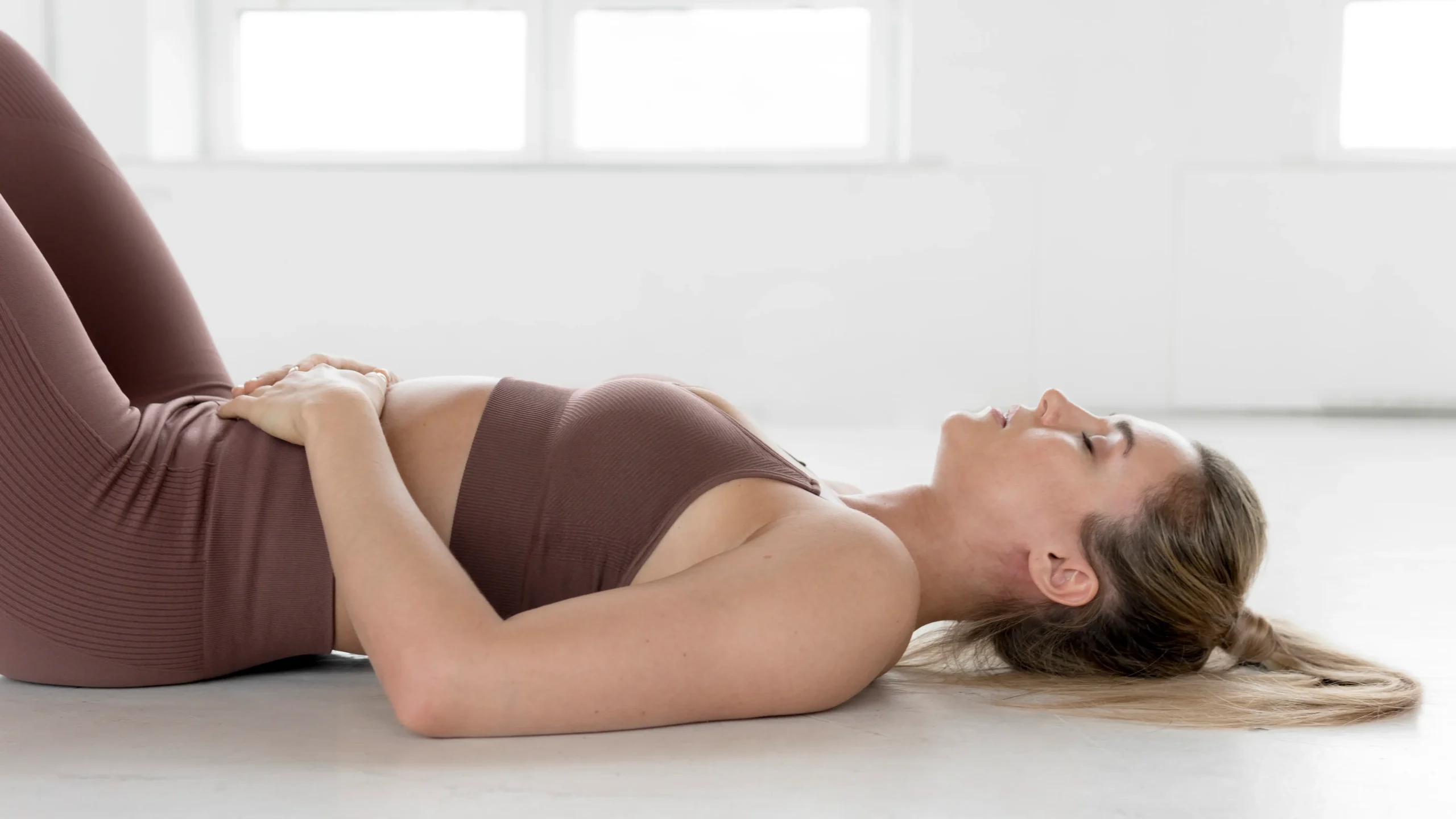
Pelvic floor physiotherapy has become an essential tool for improving the quality of life for those facing problems related to this area. This type of physiotherapy is not only designed for women, but also for men seeking to treat and prevent various conditions. Learning more about this specialty can be the first step toward a healthier and more fulfilling life.
What is pelvic floor physiotherapy?
Pelvic floor physiotherapy is a specialized branch of physiotherapy that focuses on the assessment, prevention, and treatment of dysfunctions related to the pelvic floor muscles. This muscle group, located at the base of the pelvis, is responsible for key functions such as urinary and fecal continence, support of internal organs, and sexual performance.
Functions of the pelvic floor
The pelvic floor performs multiple vital functions for the body. Among them are:
- Support for organs such as the bladder, uterus, and rectum.
- Sphincter control to ensure continence.
- Active participation during pregnancy and childbirth.
- Contribution to sexual well-being and trunk stability.
When these muscles lose strength or suffer alterations, discomfort or pathologies may appear that considerably affect the quality of life.
Common problems treated by pelvic floor physiotherapy
Anyone can experience pelvic floor problems, but some groups are more prone, such as pregnant women, postpartum women, older people, or those who have undergone abdominal surgery.
Urinary incontinence
One of the most common problems treated with pelvic floor physiotherapy is urinary incontinence. This condition, characterized by the involuntary loss of urine, can be caused by muscle weakness, aging, or hormonal changes.
Pelvic organ prolapse
Pelvic organ prolapse occurs when the pelvic organs descend due to weakness in the pelvic floor muscles. Symptoms include a feeling of heaviness, pain, or discomfort in the lower abdomen.
Chronic pelvic pain
Chronic pelvic pain can be caused by a variety of factors, including muscle strain, surgical scarring, or conditions such as endometriosis. Pelvic floor physical therapy helps relieve pain through targeted techniques.
Sexual dysfunctions
Sometimes, pelvic floor problems are related to sexual dysfunctions, such as vaginismus or dyspareunia (pain during intercourse). Strengthening and relaxing these muscles can significantly improve sexual well-being.


How is pelvic floor physiotherapy performed?
Pelvic floor physiotherapy begins with a personalized assessment to identify each patient’s specific needs. This process includes a detailed review of medical history and a physical examination, which may be external or internal, as required.
Most common techniques used
There are various techniques and tools that specialists use in pelvic floor physiotherapy, such as:
- Kegel exercises: These consist of voluntary contractions of the pelvic floor to strengthen the muscles.
- Biofeedback: A tool that allows the patient to visualize muscle activity to improve control and strength.
- Manual therapies: These include massages and manipulations to relieve tension and improve mobility.
- Electrical stimulation: Used to stimulate weakened muscles and promote their recovery.
Each treatment is tailored to the patient’s needs, combining these techniques to achieve the best results.
Benefits of pelvic floor physiotherapy
Pelvic floor physiotherapy not only treats existing problems but also acts as a preventative tool to avoid future complications. Its benefits include:
- Improved quality of life by reducing discomfort and pain.
- Greater control over urinary and fecal continence.
- Muscle strengthening that benefits pregnancy, postpartum and recovery after surgery.
- Increased sexual well-being thanks to muscle control and relaxation.
- Prevention of long-term problems, such as prolapse or muscle weakness in old age.
These benefits not only have a physical impact, but also an emotional one, promoting confidence and security in those who undergo this treatment.


When should you see a pelvic floor physiotherapy specialist?
It is advisable to seek the help of a specialist at the first sign of pelvic floor dysfunction. Among the most common warning signs are:
- Urine leakage when coughing, laughing, or exercising.
- Sensation of pressure or heaviness in the pelvic area.
- Pain in the pelvic or lumbar region.
- Difficulties during sexual relations.
- Recovery after childbirth or abdominal surgeries.
Early intervention can prevent major complications and ensure a faster and more effective recovery.
Find a solution at Therapeía Physiotherapy and Movement
Pelvic floor care is essential for improving quality of life and preventing future complications. This group of muscles performs vital functions that impact both physical health and emotional well-being. From treating urinary dysfunctions to relieving chronic pain, pelvic floor physiotherapy is an effective and personalized tool for addressing these needs.
At Therapeía Physiotherapy and Movement, we specialize in providing personalized treatments for pelvic floor health. We have a team of highly trained professionals and advanced technology to guarantee optimal results. We also complement our services with functional training, therapeutic Pilates, and advanced physiotherapy, providing comprehensive care to each patient.