Osteoporosis is a condition in which bones lose density and strength, increasing the risk of fractures, especially in the hip, spine and wrist. It is known as the “silent epidemic” because it causes no symptoms until the first fracture. It mainly affects women after the menopause, although men are affected too.
Alongside medical treatment, exercise is one of the most effective tools for looking after your bones and, above all, for preventing the falls that cause fractures.
Why exercise strengthens bones
Bone is living tissue that adapts to the loads it receives. When muscles pull on it and when it absorbs impact, the cells that build new bone are stimulated. That is why active people maintain their bone mass better.
Which type of exercise works best
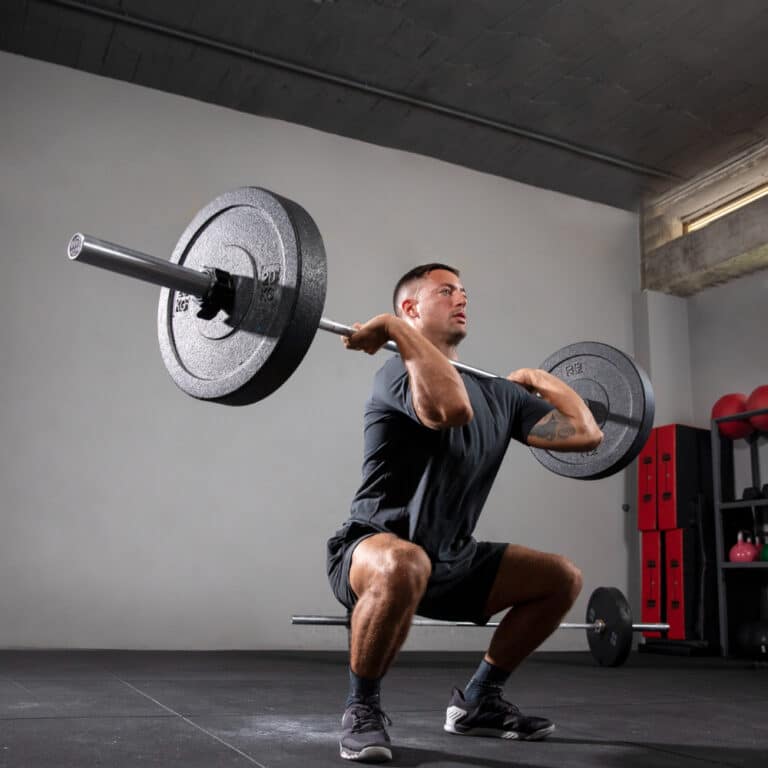
- Progressive strength training: has the strongest evidence. Squats, sit-to-stand, deadlifts with good technique, rows or presses with gradually increasing loads, two or three times a week. Read more in our article on muscle strengthening.
- Impact exercise: brisk walking, climbing stairs or small jumps, always adapted to the person.
- Balance: single-leg exercises, heel-to-toe walking or tai chi clearly reduce the risk of falls.
- Posture and back extension exercises to protect the spine.
Walking is very healthy, but on its own it is not enough to maintain bone: combine it with strength work.
Exercises to avoid or adapt
If you already have osteoporosis, especially with previous vertebral fractures, avoid:
- Sudden loaded trunk flexion, such as crunches.
- Forced twisting of the spine.
- Activities with a high risk of falling.
That is why the programme should be designed by a professional who knows your situation.
Preventing falls at home
- Remove loose rugs and cables from walkways.
- Improve lighting, especially at night.
- Wear closed shoes with non-slip soles.
- Fit grab rails in the bathroom.
- Have your eyesight and medication reviewed by your doctor.
Other pillars of bone health
- A diet with enough calcium and protein. Our nutrition service can help.
- Vitamin D: moderate sun exposure and, if your doctor advises, supplements.
- Not smoking and limiting alcohol.
It is never too late to start
Studies show that even people over 70 and 80 improve their strength, balance and confidence in moving with a supervised exercise programme. Our preventive group is designed precisely for this.
Exercise for osteoporosis in Gines
We design safe, progressive exercise programmes for people with osteopenia or osteoporosis, always coordinated with your doctor. At Therapeía Fisioterapia we see patients at Avenida de Europa 3G in Gines (Seville), just minutes from Bormujos, Espartinas, Castilleja de la Cuesta, Valencina and the rest of the Aljarafe area. After a full assessment we design a preventive group and exercise therapy plan tailored to you. You can meet our physiotherapy team or book an appointment by calling +34 624 244 420.
For more information from a reliable source, see MedlinePlus, the U.S. National Library of Medicine health encyclopedia, on osteoporosis.
Frequently asked questions about osteoporosis
Can I lift weights if I have osteoporosis?
Yes, progressive strength training is highly recommended, always with good technique and a programme adapted to your case.
Is walking enough for osteoporosis?
Walking is beneficial, but combining it with strength and balance exercises gives better results.
Which exercises should be avoided with osteoporosis?
Avoid sudden loaded spinal flexion, forced twisting and activities with a high risk of falling.