
Tennis elbow, or lateral epicondylitis, is one of the most common upper limb injuries. Despite its name, most people who get it do not play tennis: it is very common in padel players, but also in manual jobs, in people who use a mouse a lot or who repeatedly carry loads.
What lateral epicondylitis is
It is a tendinopathy of the muscles that extend the wrist and fingers, which attach to the lateral epicondyle, the bony bump on the outside of the elbow. When these tendons take more load than they can handle, they change and pain appears.
It should not be confused with medial epicondylitis, or golfer’s elbow, which affects the inside of the elbow and the flexor muscles.
Typical symptoms
- Pain on the outside of the elbow that may spread to the forearm.
- Pain when gripping objects, shaking hands, turning a door handle or lifting a cup.
- Reduced grip strength.
- Pain when pressing on the epicondyle.
Why it happens
- Repeated gripping and wrist extension: racket sports, tools, computer work.
- Sudden increases in load, such as playing more matches than usual or starting a new job.
- Poor technique or unsuitable equipment: a very heavy racket, the wrong grip size.
- Weak forearm, shoulder and shoulder blade muscles.
If you play padel, our article on padel injury prevention has specific tips.
Physiotherapy treatment
Tennis elbow responds well to treatment, although it requires consistency:
- Adjusting load: reducing what irritates it most without immobilising the arm.
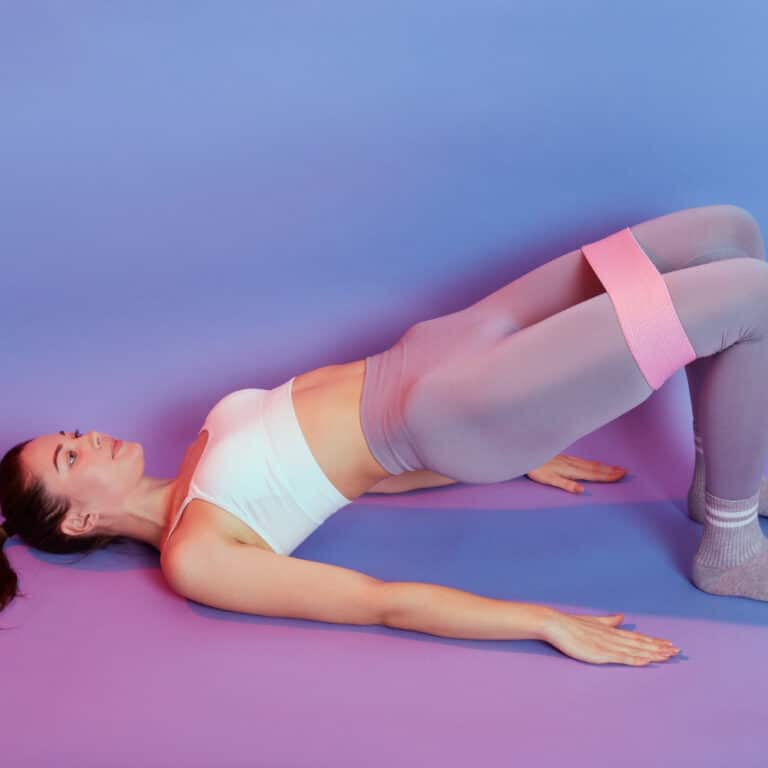
- Exercise therapy: isometric exercises at first to calm pain, then eccentric and progressive strength exercises for the forearm.
- Shoulder and shoulder blade work, because a weak shoulder overloads the elbow.
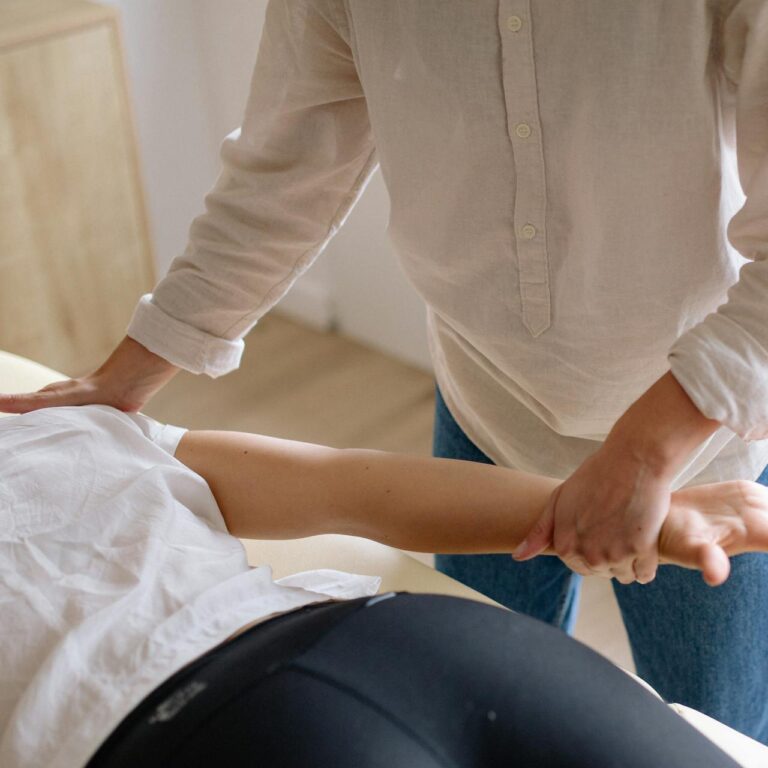
- Manual therapy and techniques such as percutaneous electrolysis in persistent cases.
- Reviewing sports technique and workstation setup.
Exercises to get started
- Extensor isometric: with your forearm supported and palm down, push the back of your hand against your other hand without moving the wrist for 30 to 45 seconds. Repeat 5 times.
- Eccentric with a light dumbbell: lift the wrist with help from the other hand and lower it slowly over 3 to 4 seconds. 3 sets of 15.
- Flexbar or twisted towel: slowly twist a towel as if wringing it out.
How long does it last?
With good treatment most people improve within two to three months, although long-standing cases may need more time. The key is not to wait until the pain is constant before acting.
Tennis elbow treatment in Gines
If your elbow hurts when lifting, playing or working, an assessment helps us identify the source of the overload and design a recovery plan. At Therapeía Fisioterapia we see patients at Avenida de Europa 3G in Gines (Seville), just minutes from Bormujos, Espartinas, Castilleja de la Cuesta, Valencina and the rest of the Aljarafe area. After a full assessment we design a sports physiotherapy plan tailored to you. You can meet our physiotherapy team or book an appointment by calling +34 624 244 420.
For more information from a reliable source, see MedlinePlus, the U.S. National Library of Medicine health encyclopedia, on tennis elbow.
Frequently asked questions about tennis elbow
Do only tennis players get tennis elbow?
No. It is very common in padel players and in people with manual jobs or who use a computer a lot.
Do elbow straps help?
They can ease pain during activity for some people, but they do not replace exercise, which is the basis of treatment.
Do injections cure tennis elbow?
Steroid injections may help in the short term, but in the medium term they do not improve outcomes and may increase recurrence. Exercise gives better results.