
Sciatica is one of the most unpleasant types of pain: it can start in the lower back or buttock and travel down the back of the leg to the foot, sometimes with tingling or a cramping feeling. The good news is that most cases improve without surgery with the right treatment.
What sciatica actually is
Sciatica is not a disease in itself but a symptom: the pain that appears when the sciatic nerve or one of its roots in the lower spine is irritated or compressed. The sciatic nerve is the longest in the body and runs through the buttock and down the back of the leg.
Most common symptoms
- Pain travelling from the buttock down the back or side of the thigh and leg.
- Tingling, numbness or an electric-shock sensation.
- Pain that worsens when sitting for long periods, coughing or sneezing.
- In some cases, weakness in the foot.
It usually affects one leg and the leg pain is often worse than the back pain.
Common causes
- Lumbar disc herniation or bulge, the most frequent cause in younger adults.
- Lumbar spinal stenosis, more common from the age of 60.
- Piriformis syndrome, when a buttock muscle irritates the nerve.
- Other degenerative changes in the spine.
Red flags: when to go to A&E
Seek urgent medical care if sciatica comes with loss of bladder or bowel control, numbness in the genital area or buttocks, or significant and worsening weakness in the legs.
How physiotherapy treats sciatica
The goal is to calm the nerve, restore movement and help you trust your back again:
- Education: understanding what is happening reduces fear and helps you move better.
- Adapted movement: finding positions and exercises that ease symptoms and avoiding prolonged bed rest.
- Neurodynamics: gentle exercises that improve how the nerve glides.
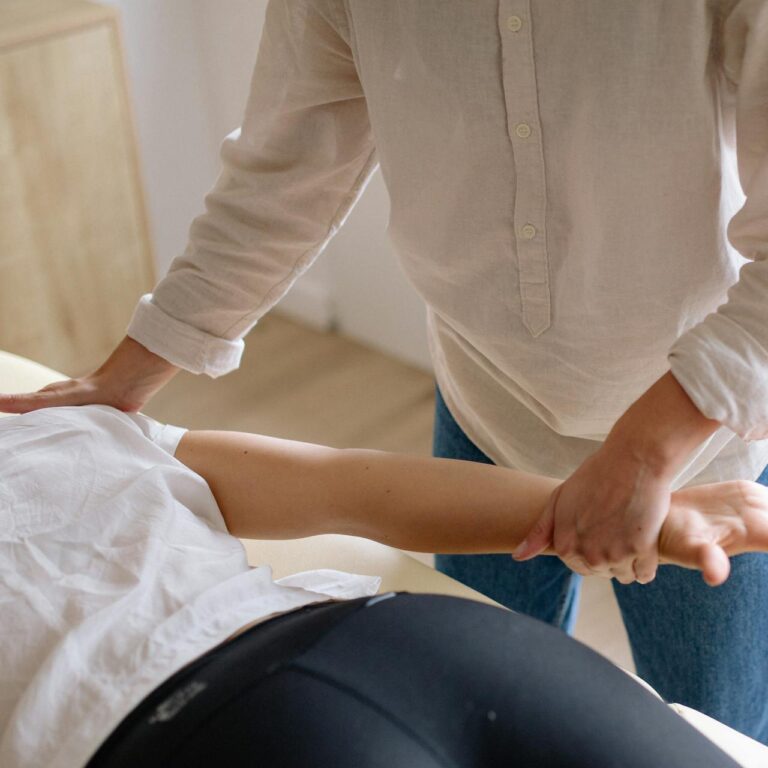
- Manual therapy to ease muscle tension and pain.
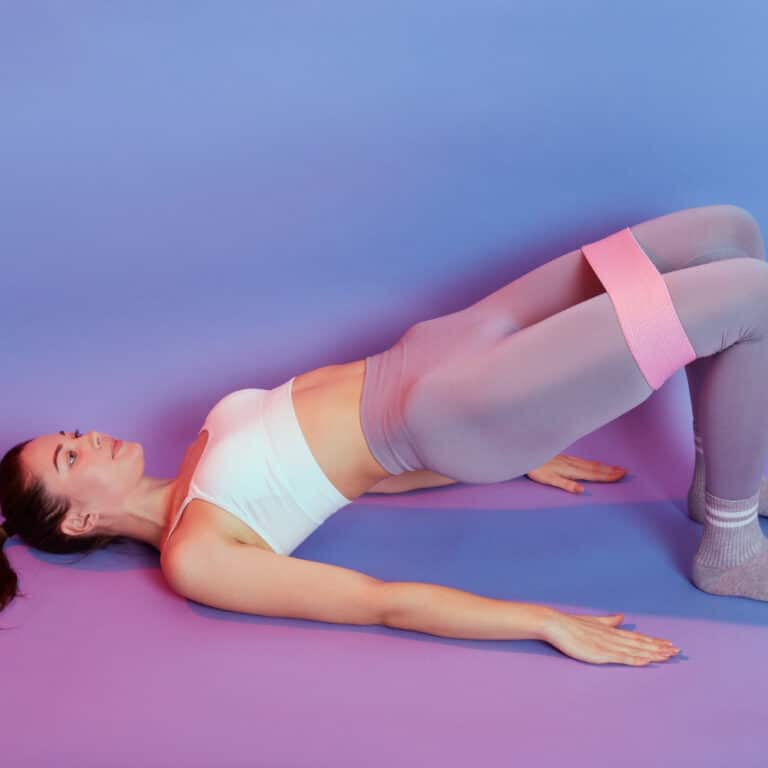
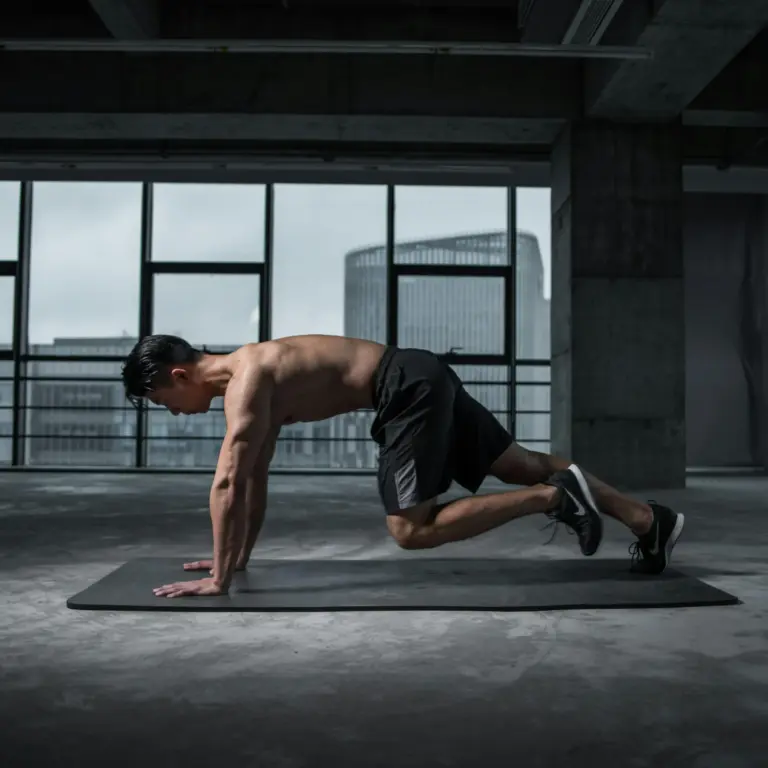
- Progressive exercise therapy for the lower back, abdomen and glutes. Therapeutic Pilates is a great tool at this stage.
How long does it take to heal?
Most episodes of sciatica improve significantly within six to twelve weeks. Leg pain is usually the last thing to go. To better understand where back pain comes from, read our article on lower back pain.
Everyday tips
- Avoid sitting for more than 30 to 45 minutes at a time.
- Walk often, even if only for short strolls.
- When lifting, keep the load close to your body and bend your knees.
- Do not stay in bed: prolonged rest slows recovery.
Sciatica treatment in Gines
If you have pain running down your leg, an assessment lets us rule out red flags and design a plan to calm the nerve and get you back to your activities. At Therapeía Fisioterapia we see patients at Avenida de Europa 3G in Gines (Seville), just minutes from Bormujos, Espartinas, Castilleja de la Cuesta, Valencina and the rest of the Aljarafe area. After a full assessment we design a lower back physiotherapy plan tailored to you. You can meet our physiotherapy team or book an appointment by calling +34 624 244 420.
For more information from a reliable source, see MedlinePlus, the U.S. National Library of Medicine health encyclopedia, on sciatica.
Frequently asked questions about sciatica
Is resting a good idea with sciatica?
No. A few days of reduced activity may help in the most acute phase, but prolonged bed rest slows recovery. Moving within tolerable limits is recommended.
Does sciatica always need surgery?
No. The vast majority of cases improve with conservative treatment. Surgery is reserved for progressive weakness or cases that do not improve after several months.
Can sciatica occur without back pain?
Yes. Sometimes the pain is felt only in the buttock and leg, with little or no lower back discomfort.