
Tension-type headache is the most common kind of headache. It is often described as a band tightening around the head or a weight at the back of the neck, and it frequently appears at the end of a day at the screen. Another type, cervicogenic headache, comes directly from structures in the neck. In both cases physiotherapy can be a great help.
How to recognise a tension headache
- A pressing, band-like pain on both sides of the head.
- Mild to moderate intensity that does not usually worsen with physical activity.
- May come with tension and pain in the neck and shoulders.
- Does not usually cause nausea or vomiting, unlike migraine.
And cervicogenic headache
- Pain that starts at the back of the neck and spreads towards the forehead or eye, usually on one side.
- Worse with certain neck movements or sustained postures.
- Comes with neck stiffness and reduced mobility.
Why they happen
- Sustained postures at the computer or on the phone. We explain this in our article on tech neck.
- Stress and emotional tension.
- Lack of sleep or poor-quality rest.
- Low physical activity and weak neck and upper back muscles.
- Bruxism or clenching your teeth.
How physiotherapy helps
- Assessment of the neck, jaw and posture to identify the factors that keep the pain going.
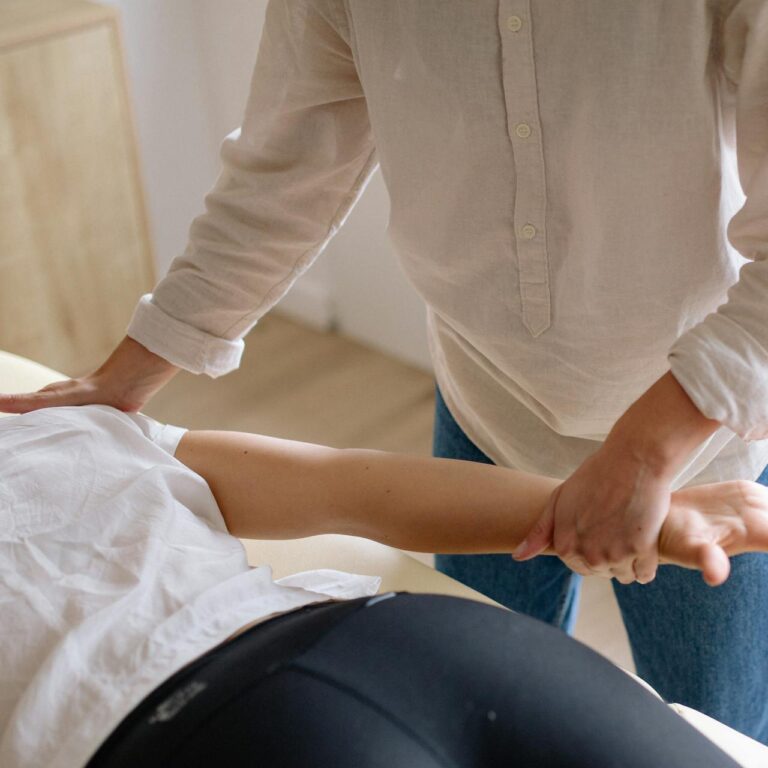
- Manual therapy for the cervical spine and the neck and shoulder muscles.
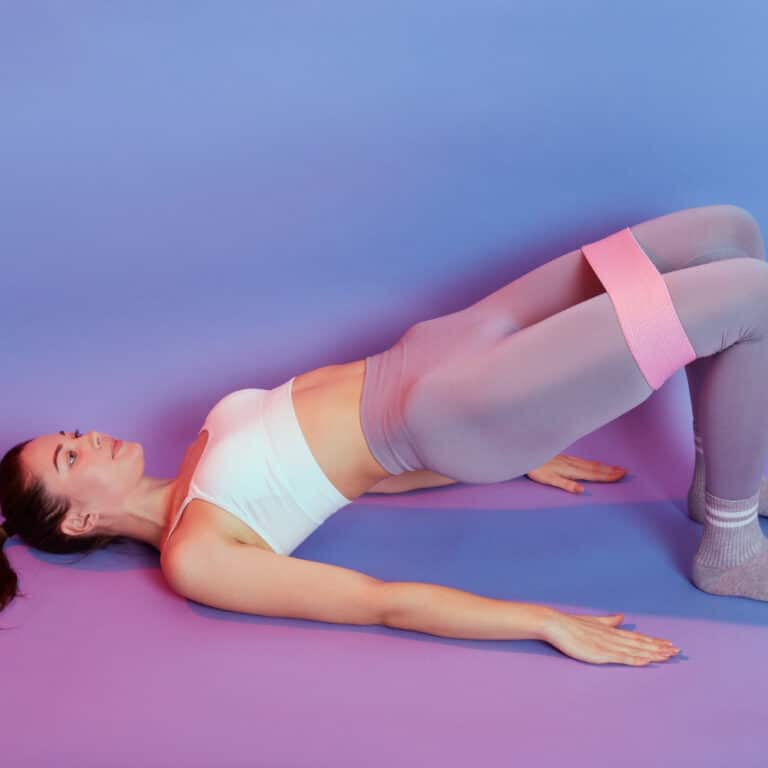
- Exercise therapy: strengthening the deep neck and shoulder blade muscles, which has been shown to reduce how often episodes occur.
- Education and advice on active breaks, ergonomics and stress management.
If you also have frequent neck pain, we recommend our article on neck pain.
Simple everyday exercises
- Chin tuck: sitting upright, draw your chin back as if making a double chin, hold for 5 seconds and release. 10 repetitions.
- Shoulder rolls: slow backward circles, 10 repetitions.
- Upper trapezius stretch: tilt your head to one side and hold for 20 to 30 seconds without forcing.
- Diaphragmatic breathing for two or three minutes to reduce tension.
When to see a doctor
See a doctor if the headache is sudden and very severe, comes with fever, a stiff neck, changes in vision or speech or weakness, or is clearly different from your usual headaches.
Physiotherapy for headaches in Gines
If you have frequent headaches linked to your neck or tension, an assessment lets us find the factors that keep them going and reduce how often they happen. At Therapeía Fisioterapia we see patients at Avenida de Europa 3G in Gines (Seville), just minutes from Bormujos, Espartinas, Castilleja de la Cuesta, Valencina and the rest of the Aljarafe area. After a full assessment we design a neck physiotherapy plan tailored to you. You can meet our physiotherapy team or book an appointment by calling +34 624 244 420.
For more information from a reliable source, see MedlinePlus, the U.S. National Library of Medicine health encyclopedia, on tension headache.
Frequently asked questions about tension headaches
Can physiotherapy help with headaches?
Yes, especially for tension-type and cervicogenic headaches. Manual therapy and exercise reduce how often episodes occur and how intense they are.
What is the difference between migraine and tension headache?
Migraine is usually throbbing, one-sided, worse with activity and may cause nausea or light sensitivity. Tension headache is pressing, on both sides and milder.
Can stress cause headaches?
Yes. Stress increases muscle tension and pain sensitivity, and it is one of the most common triggers of tension headache.