
A sudden stab in your calf as you push off on the padel court, a “kick” in the back of the thigh while sprinting… That is how many muscle tears are described. It is one of the most common muscle injuries in sport and, when treated well, recovery is very good.
What a muscle tear is
It is a tear of a group of fibres within a muscle. It happens when the muscle contracts forcefully while being stretched, for example when accelerating, braking or jumping. The most commonly affected muscles are the hamstrings, calf, quadriceps and adductors.
Tears are graded by severity, from small tears of a few fibres to extensive partial or, more rarely, complete tears.
Symptoms
- Sudden, localised pain during effort, often felt as a stab or blow.
- Difficulty or inability to keep playing.
- Pain when contracting or stretching the muscle.
- Bruising that may appear a day or two later.
- In larger tears, a gap may be felt in the muscle.
What to do in the first few days
- Stop the activity. Playing on through pain can make the injury bigger.
- Protect the muscle for a few days, avoiding intense stretching and firm massage at first.
- Elevate and compress to control swelling.
- Walk and move within what the pain allows.
- Get assessed to judge the severity; an ultrasound scan is sometimes added.
Treatment and rehabilitation
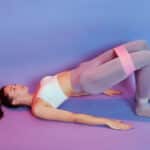
Recovery from a muscle tear is based on loading the muscle progressively. Tissue heals better and stronger when it receives the right stimulus:
- Early phase: gentle pain-free isometric exercises and mobility.
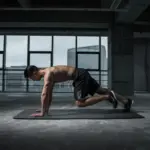
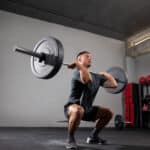
- Middle phase: progressive strengthening, including eccentric work, which is key to preventing hamstring re-injury.
- Final phase: running, changes of pace, jumps and sport-specific movements.
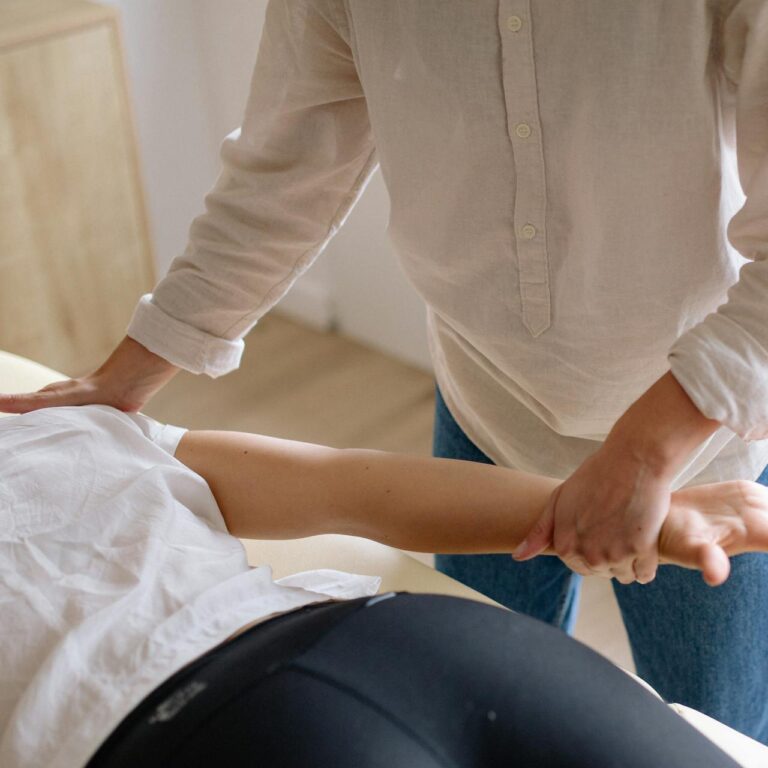
- Complementary physiotherapy techniques for pain and tissue quality.
How long does a muscle tear take to heal?
- Small tears: two to four weeks.
- Moderate tears: four to eight weeks.
- Extensive tears: may need three months or more.
More important than the weeks is passing strength and running tests before returning to competition. Returning too early is the main cause of re-injury.
How to prevent it
- Warm up properly before playing or running.
- Include strength exercises, especially eccentric ones such as the Nordic hamstring curl.
- Increase training load gradually.
- Rest and sleep well. See more tips in our injury prevention article.
Muscle tear rehabilitation in Gines
If you felt a sudden muscle stab while playing sport, we assess the injury and guide you through each phase until you can play again safely. At Therapeía Fisioterapia we see patients at Avenida de Europa 3G in Gines (Seville), just minutes from Bormujos, Espartinas, Castilleja de la Cuesta, Valencina and the rest of the Aljarafe area. After a full assessment we design a sports physiotherapy plan tailored to you. You can meet our physiotherapy team or book an appointment by calling +34 624 244 420.
For more information from a reliable source, see MedlinePlus, the U.S. National Library of Medicine health encyclopedia, on sports injuries.
Frequently asked questions about muscle tears
Should I massage a muscle tear?
Firm massage over the injury is not advisable in the first days. Later on, manual therapy can help as part of a rehab plan.
Can I walk with a torn muscle?
Yes, in most cases walking within the limits of pain is possible and recommended, except in very severe tears.
How do I know if it is a knot or a muscle tear?
A tear usually comes on suddenly during effort, with sharp localised pain and sometimes bruising. A knot develops more gradually.