
If you feel a sharp pain in your heel with your first steps in the morning, which eases a little as you walk, it is very likely to be plantar fasciitis. It is one of the most common causes of foot pain and affects runners and people who spend long hours on their feet alike.
What the plantar fascia is
The plantar fascia is a band of fibrous tissue running from the heel to the base of the toes. It acts like a tie rod that supports the arch and cushions every step. When it takes more load than it can tolerate, it becomes irritated where it attaches to the heel and pain appears.
We now know it is more a tissue change caused by overload than a true inflammation, which is why some experts prefer the term plantar fasciopathy.
Common symptoms
- Pain on the inner or lower part of the heel.
- Sharp pain with the first steps in the morning or after sitting for a while.
- Initial improvement when walking, but worse after standing for long periods.
- Discomfort climbing stairs or walking barefoot.
Causes and risk factors
- Sudden increases in activity: starting to run, long walks or changing surface.
- Jobs that involve standing for many hours.
- Unsupportive or very worn footwear.
- Tight calves and Achilles tendon.
- Weak foot and hip muscles.
- Excess weight and certain foot strike patterns. Read more in our article on foot strike and the spine.
Physiotherapy treatment
Plantar fasciitis treatment works best when it combines several strategies:
- Load management: temporarily reducing the activity that irritates the heel most, without stopping moving.
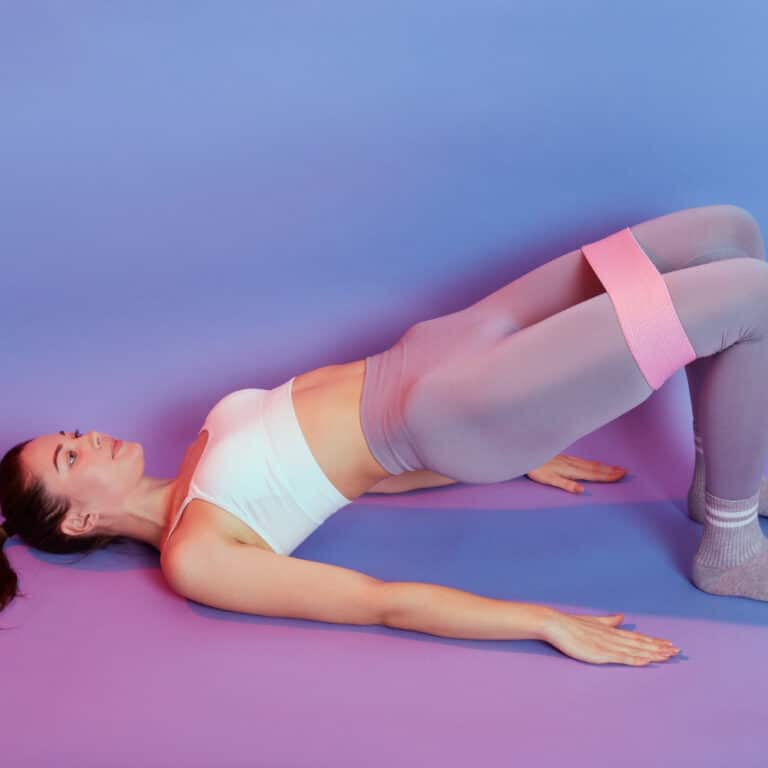
- Exercise therapy: progressive strengthening of the foot and calf muscles, which has the best evidence in the medium term.
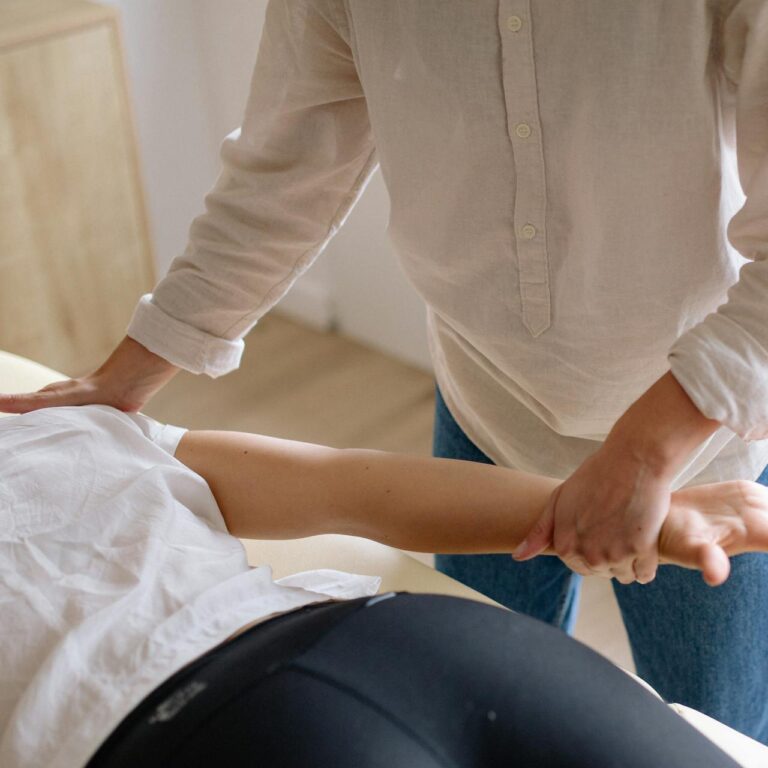
- Manual therapy for the calf and sole muscles to relieve pain.
- Complementary techniques such as percutaneous electrolysis or shockwave therapy in cases that do not respond.
- Footwear review and, if needed, temporary insoles or heel pads.
Useful exercises for plantar fasciitis
- Heel raises with a towel: standing on a step with a rolled towel under your toes, rise and lower slowly. Start with 3 sets of 12.
- Calf and soleus stretch against a wall, 30 seconds with the knee straight and 30 with the knee bent.
- Towel scrunches with your toes to activate the small foot muscles.
- Self-massage with a ball under the sole for one or two minutes.
If an exercise makes the pain much worse the next day, reduce the load and seek advice.
How long does it take to heal?
Most cases improve within three to six months with well-directed treatment. The sooner it is addressed, the faster recovery tends to be. Waiting for it to go away on its own usually prolongs the problem.
Plantar fasciitis treatment in Gines
If you have had heel pain for weeks, an assessment lets us identify what is overloading your fascia and design a plan to get you walking and running pain-free again. At Therapeía Fisioterapia we see patients at Avenida de Europa 3G in Gines (Seville), just minutes from Bormujos, Espartinas, Castilleja de la Cuesta, Valencina and the rest of the Aljarafe area. After a full assessment we design a physiotherapy plan tailored to you. You can meet our physiotherapy team or book an appointment by calling +34 624 244 420.
For more information from a reliable source, see MedlinePlus, the U.S. National Library of Medicine health encyclopedia, on foot injuries and disorders.
Frequently asked questions about plantar fasciitis
Why is plantar fasciitis worse in the morning?
Overnight the fascia and calf shorten. When you put your foot down in the morning they stretch suddenly and the heel complains. Moving your foot before getting up helps.
Can I keep running with plantar fasciitis?
It depends on the pain. You can often keep a reduced load while working on strength, but adjust the plan with a physiotherapist.
Do insoles cure plantar fasciitis?
They can help in the short term, but the treatment that helps most in the medium term is strengthening exercise combined with load management.