
Do you experience vertigo or a feeling of dizziness? Discover the difference between vertigo and cervical dizziness, and how vestibular physiotherapy at Therapeía can help you.
Few sensations are as debilitating and terrifying as feeling like the world is spinning around you or the ground is moving beneath your feet. Loss of balance affects even the most basic activities, from walking down the street to simply turning your head in bed. However, there is significant diagnostic confusion between vertigo and dizziness, and making that distinction is key to successful treatment.
At Therapeía Clinic, we see patients daily who have been to the emergency room or various specialists without finding a clear answer. The good news is that, in a high percentage of cases, vestibular physiotherapy and cervical manual therapy are the definitive tools for restoring stability.

Vertigo or Dizziness? Learning to tell the difference
It is essential that the patient can describe what they feel, as this guides the physiotherapist towards the origin of the problem:
- Vertigo: It is an illusory sensation of movement. The patient feels that they or their surroundings are spinning (like on a merry-go-round). It is usually related to the vestibular system (the “accelerometer” of the inner ear).
- Dizziness: It is often described as a lightheaded feeling, a “foggy head” sensation, or walking on air. It is usually linked to cervical, tension, or visual problems.
- Instability: It is the insecurity when standing or walking, with fear of falling, but without the rotating sensation of vertigo.
The Inner Ear: Positional Vertigo (BPPV)
The most common cause of vertigo is Benign Paroxysmal Positional Vertigo (BPPV). This occurs when small calcium particles called otoliths, which should be in a specific area of the inner ear, become dislodged and travel to the semicircular canals.
When you move your head (for example, when lying down or looking up), these otoliths shift and send an incorrect signal to the brain, telling it that you are moving abruptly. The result is intense vertigo that lasts for a few seconds but can be very debilitating.
How is it cured? It’s not cured with pills. It’s cured with repositioning maneuvers (like the Epley Maneuver). In Therapeía, through precise head movements, we return those particles to their original position, eliminating vertigo almost immediately in most cases.
The Neck: Cervicogenic Sickness
Our cervical spine is full of receptors that inform the brain about the position of our head in relation to the body. If you suffer from chronic muscle tension, cervical osteoarthritis, or have had whiplash (from a car accident), this information arrives “distorted.”
When the brain receives conflicting information (your eyes tell you you’re still, but your neck sends signals of tension or poor posture), dizziness occurs. This is known as cervicogenic dizziness. In these cases, treatment should focus on normalizing the suboccipital muscles and restoring mobility to the first cervical vertebrae (C1-C2).
What is Vestibular Physiotherapy?
When the balance system is damaged (by an infection such as vestibular neuritis or by aging itself), the brain needs to “recalibrate.” Vestibular physiotherapy is a training program designed to help the brain learn to compensate for erroneous signals.
Through eye control exercises, movement habituation, and proprioception training on unstable platforms, we help the patient regain confidence in their balance and reduce the risk of falls.
The comprehensive approach at Therapeía
At Therapeía, we understand that balance depends on the triad: Ear, Sight, and Neck. Our protocol includes:
- Functional Assessment: We perform specific tests (such as the Dix-Hallpike test) to identify exactly which ear canal is affected.
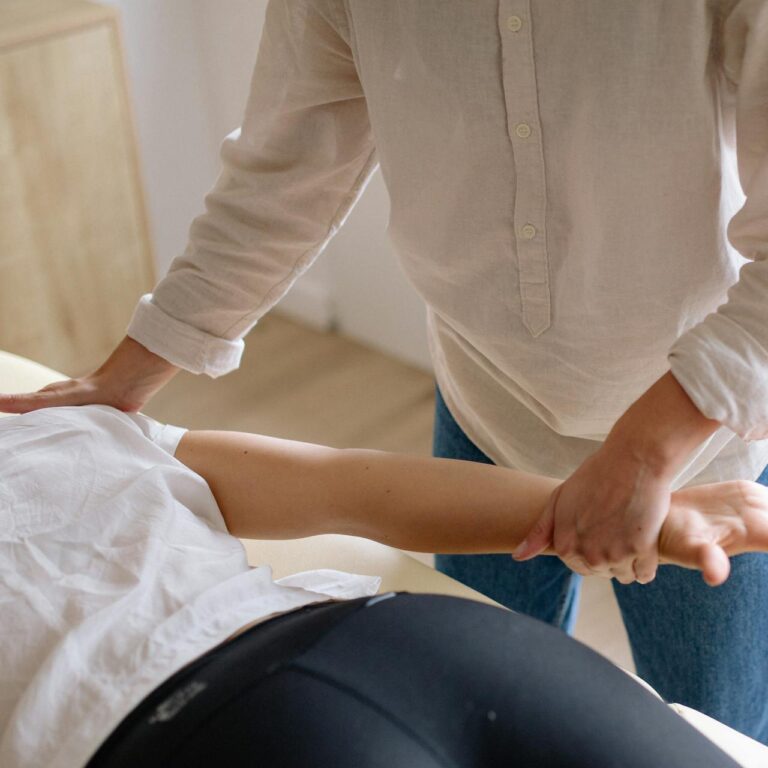
- Cervical Manual Therapy: We treat mechanical dysfunctions of the neck that contribute to the feeling of instability.
- Habituation Exercises: We teach you simple routines to do at home and accelerate the recovery of the balance system.
- Patient Education: We explain why dizziness occurs to reduce anxiety, a factor that often greatly aggravates these clinical conditions.
Do you feel like you’ve lost your balance in life? 🆘
Don’t resign yourself to living with dizziness or depending on medication that only masks the symptom but doesn’t cure the cause. At Therapeía, we specialize in restoring your stability so you can walk, drive, and enjoy life without fear. Your safety while walking is our priority.
👉 Book your vertigo and dizziness assessment at Therapeía and regain your stability
Vestibular and neck physiotherapy in Gines
If you suffer from vertigo, dizziness when turning your head or a feeling of imbalance, a careful assessment helps identify whether the cause is the ear, the neck or both. At Therapeía Fisioterapia we see patients at Avenida de Europa 3G in Gines (Seville), just minutes from Bormujos, Espartinas, Castilleja de la Cuesta, Valencina and the rest of the Aljarafe area. After a full assessment we design a vestibular physiotherapy plan tailored to you. You can meet our physiotherapy team or book an appointment by calling +34 624 244 420.
For more information from a reliable source, see MedlinePlus, the U.S. National Library of Medicine health encyclopedia, on dizziness and vertigo.
Frequently asked questions about vertigo
What is the difference between vertigo and dizziness?
Vertigo is the feeling that everything is spinning around you. Dizziness is a vaguer feeling of unsteadiness or light-headedness.
Can physiotherapy cure positional vertigo?
In benign paroxysmal positional vertigo, repositioning manoeuvres performed by a physiotherapist usually resolve the problem in a few sessions.
When should I go to A&E for vertigo?
If vertigo comes with a severe headache, difficulty speaking, loss of strength or double vision, seek emergency care immediately.