
Percutaneous electrolysis is a minimally invasive therapeutic technique that has revolutionized the treatment of chronic injuries, especially tendinopathies. Its effectiveness has been widely recognized by physiotherapists and sports medicine professionals, as it allows direct treatment of the injured tissue with millimeter precision and without the need for medication or surgery.
This tool is increasingly used in advanced physiotherapy clinics due to its excellent results in conditions that, until recently, were difficult to treat. Percutaneous electrolysis offers a real and effective alternative for people who have tried other treatments without success and are looking to regain functionality and quality of life.
What exactly is percutaneous electrolysis?
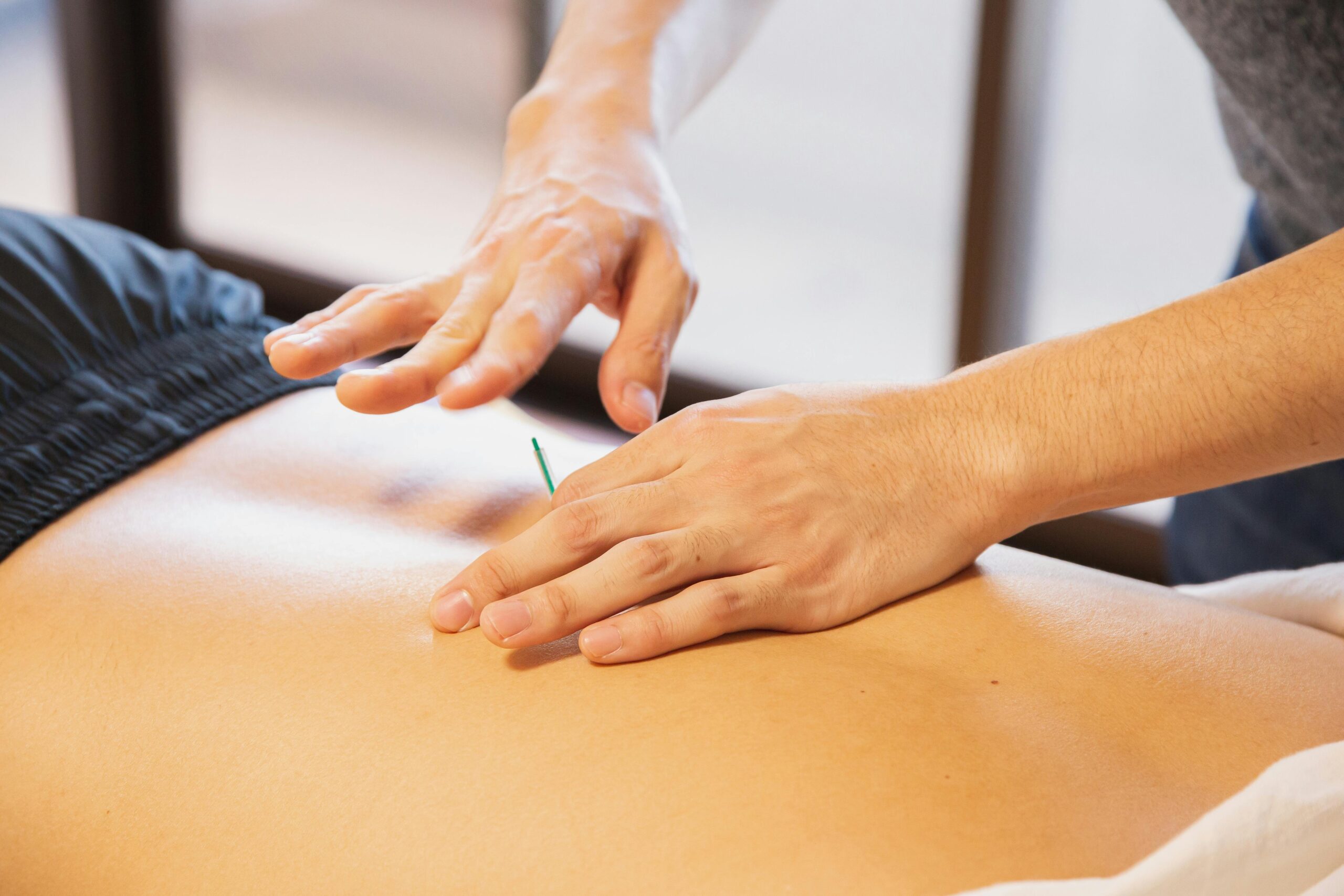
Percutaneous electrolysis involves applying a low-intensity, controlled galvanic current through an acupuncture needle inserted directly into the affected tissue, guided by ultrasound. This current triggers a controlled chemical reaction that destroys degenerated tissue and stimulates cell regeneration.
The technique is based on the principle that many chronic tendinopathies are not due to an acute inflammatory process, but rather to collagen degeneration that is unable to repair itself. Percutaneous electrolysis promotes this repair process in an accelerated, effective, and localized manner.
Furthermore, being guided by ultrasound, it allows for surgical precision, minimizing the risk of damaging adjacent structures and maximizing therapeutic results.
In what cases is percutaneous electrolysis indicated?
This technique is particularly indicated for chronic injuries that have not responded well to other conventional treatments. Its use has become especially popular in the sports field, although it is also successfully applied to non-athletes who suffer from persistent pain in tendons or muscle insertion points.
Some of the most frequent diagnoses where percutaneous electrolysis is applied are:
- Patellar tendinopathy (jumper’s knee)
- Epicondylitis or “tennis elbow”
- Achilles tendinopathy
- Plantar fasciitis
- Supraspinatus tendinopathy (shoulder)
- Pubalgia
- Iliotibial band syndrome
- Gluteus medius tendinopathy
It can also be useful in poorly healed muscle fiber tears or persistent inflammatory processes where fibrosis or thickening of the tendon has developed.
¿Cómo se realiza el tratamiento con electrólisis percutánea?
The procedure begins with a clinical and ultrasound assessment to accurately identify the affected area. Once the affected structure is located, the skin is disinfected, and the ultrasound-guided needle is inserted to apply the galvanic current directly to the degenerated tissue.
Each session is short, and the total number of sessions varies depending on the injury, although generally between 3 and 6 sessions are needed. Percutaneous electrolysis is not painful, but it may cause a momentary feeling of discomfort or slight muscle contraction in the treated area.
After the session, it’s common to feel a slight sensation of swelling or stiffness that disappears within a few hours. The physiotherapist will prescribe specific exercises to support the regeneration process and facilitate functional recovery.
Advantages of percutaneous electrolysis compared to other treatments
One of the great advantages of percutaneous electrolysis is that it allows for direct treatment of the lesion, rather than just superficially addressing the pain or inflammation. Furthermore, by stimulating cell regeneration, it not only relieves symptoms but also addresses the root cause of the problem.
Among the most notable benefits are:
- Visible results in just a few sessions
- Safe, precise and minimally invasive technique
- Without the use of drugs or the need for prolonged rest
- Ideal for chronic tendinopathies resistant to other treatments
- Can be combined with therapeutic exercise and other physiotherapy techniques
This technique does not replace other approaches, but rather complements them. It is usually integrated within a comprehensive plan that includes manual therapy, specific exercises, functional rehabilitation, and patient education.
What precautions or contraindications exist?
Although percutaneous electrolysis is a safe procedure, there are some contraindications that should be taken into account:
- It is not recommended for people with pacemakers.
- It should not be applied to active skin infections.
- It is contraindicated in patients with coagulation disorders.
- It should be avoided during pregnancy, especially in the first trimester.
For this reason, it is essential that the technique be performed by physiotherapists specifically trained in percutaneous electrolysis and who have high-quality ultrasound equipment to ensure maximum safety.
How does physiotherapy contribute to the success of treatment?
Percutaneous electrolysis alone does not resolve all aspects of an injury. Its effectiveness increases when integrated into a comprehensive physiotherapy treatment, which includes other tools to restore the body’s functional balance.
After each session, the physiotherapist usually recommends:
- Eccentric exercises for the affected tendon
- Myofascial mobilizations or releases
- Motor control techniques to re-educate movement
- Postural and loading guidelines to prevent relapses
El seguimiento profesional y el ajuste del tratamiento según la evolución del paciente marcan la diferencia entre una mejoría temporal y una recuperación duradera.
Technology at the service of recovery
Percutaneous electrolysis is one of the most innovative techniques in invasive physiotherapy. Thanks to the combination of technology, anatomical knowledge, and a functional approach to treatment, it has become an effective solution for many people who thought their injury was incurable.
Acting precisely on the injured tissue, with biological stimulation and without side effects, is one of the keys to its therapeutic success.
At Therapeia we help you with technology, experience and proximity
At Therapeía Physiotherapy and Movement, we use percutaneous electrolysis as part of our personalized treatments for chronic tendon and muscle injuries. Our physiotherapists are certified in invasive techniques, and we utilize state-of-the-art ultrasound equipment, allowing us to work with precision and safety.
We combine this technique with therapeutic exercise, neuromodulation, dry needling, manual therapy, and functional training to offer a comprehensive treatment tailored to each patient. Our goal is for you to regain your health, mobility, and quality of life.
If you’ve been dealing with a persistent injury that isn’t improving, or if you’d like to avoid surgery, put yourself in the hands of our team. At Therapeía, we have the tools and experience to help you heal.