
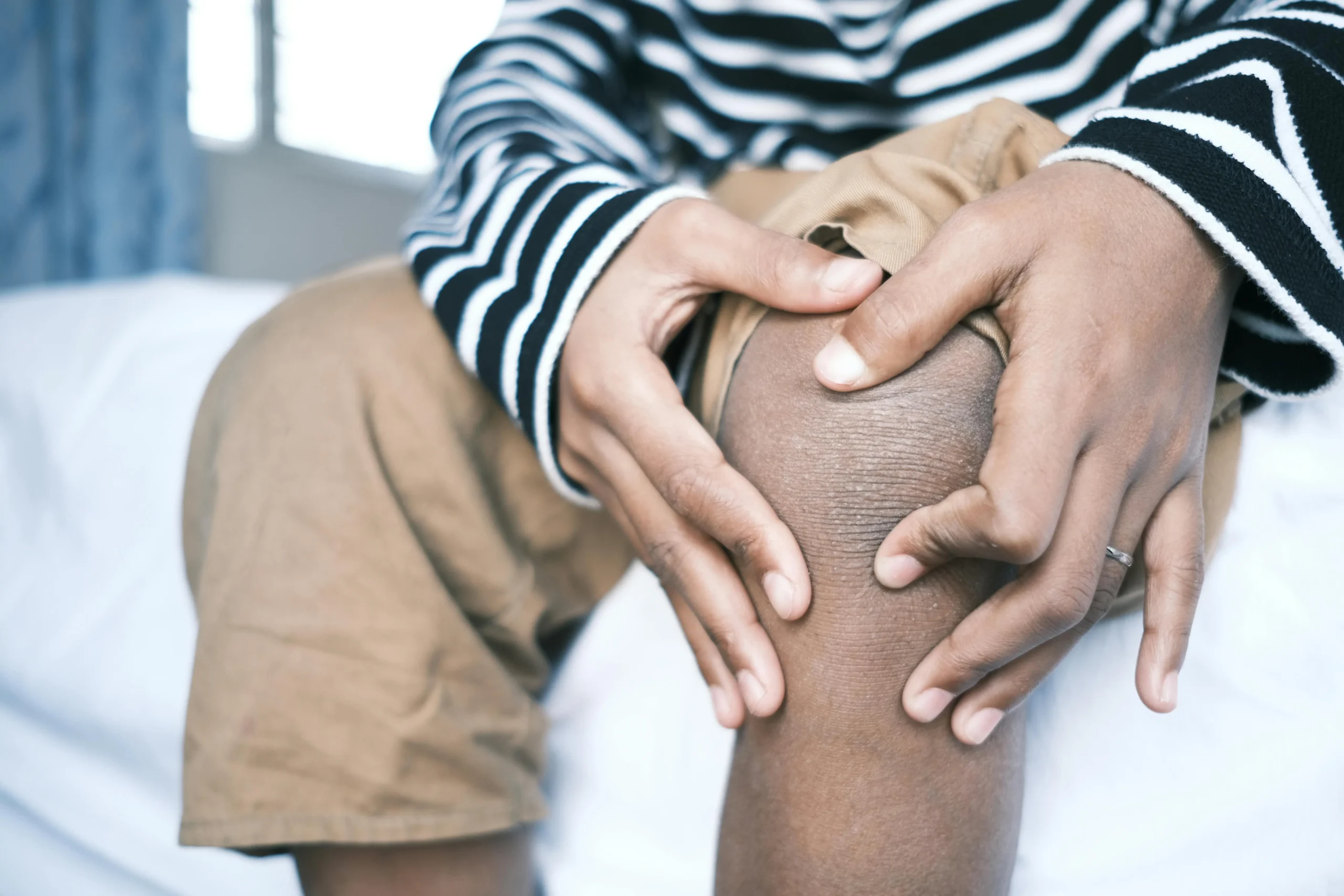
Meniscus tears are one of the most common knee problems, especially among athletes and physically active people. The menisci, two C-shaped cartilaginous structures located inside the knee, act as shock absorbers between the femur and tibia. These tears can cause pain, swelling, and limited mobility, affecting quality of life.
What are meniscus injuries and how do they occur?
Meniscus injuries occur when one of the menisci is torn or damaged due to sudden movements, twisting, or even gradual wear and tear. These problems can range from minor tears to more serious injuries that compromise knee stability.
Types of Meniscus Injuries
There are different types of meniscal tears, which are classified according to the shape and location of the damage:
- Longitudinal tear: A tear that follows the length of the meniscus.
- Bucket-handle tear: Occurs when a part of the meniscus partially detaches, causing blockages in the knee.
- Degenerative tear: Related to wear and tear due to age or continuous use.
Common Causes
Causes of meniscus injuries include:
- Sudden movements such as quick turns or changes in direction.
- Direct impacts to the knee.
- High-intensity physical activities.
- Aging, which causes progressive wear and tear of the meniscus.
Identifying the causes helps prevent these injuries and address their treatment appropriately.
Symptoms of Meniscus Injuries
Recognizing the symptoms of meniscus tears is key to seeking early treatment. The most common symptoms include:
- Pain located on the inside or outside of the knee.
- Swelling that appears within hours of the injury.
- Difficulty moving the knee completely.
- A feeling of lock-in or instability in the joint.
If you experience any of these symptoms, it is essential to see a specialist for an accurate diagnosis.
Diagnosing Meniscus Injuries
Diagnosis of meniscus injuries usually includes:
Clinical evaluation
A physical therapist or doctor will examine the knee, assessing its mobility, stability, and sensitivity to touch. Specific tests, such as the McMurray test, help confirm a suspected meniscal tear.
Imaging tests
In more complex cases, tests such as:
- Magnetic resonance imaging (MRI): It provides detailed images of soft tissues, including the meniscus.
- X-rays: Useful for ruling out fractures or other bone conditions.
A proper diagnosis ensures that treatment is personalized and effective.
Treatments for Meniscus Injuries
The treatment for meniscus injuries depends on the severity of the injury, the patient’s age, and their level of physical activity.
Conservative treatments
For minor tears or degenerative injuries, non-surgical treatments are usually sufficient. These include:
- Rest: Avoid activities that make pain or inflammation worse.
- Cold Application: Reduces swelling and pain in the first 48 hours after injury.
- Physiotherapy: Specific exercises to strengthen the muscles around the knee, improve stability and restore mobility.
Surgical treatments
In more serious cases, such as tears that affect knee function, surgery may be necessary:
- Partial meniscectomy: The damaged part of the meniscus is removed.
- Meniscal suture: The meniscus is repaired using sutures to preserve its functionality.
Rehabilitation after surgery is essential to ensure a full recovery.
Importance of Rehabilitation in Meniscus Injuries
Physiotherapy plays a crucial role in the recovery from meniscus injuries, both after conservative treatment and after surgery.
Specific exercises
Rehabilitation includes exercises designed to:
- Regain knee mobility.
- Strengthen the muscles of the thigh and leg.
- Improve joint stability.
Advanced techniques
In addition to exercises, techniques such as manual therapy, electrotherapy, or neuromodulation can be incorporated to accelerate recovery.
Consistency in the rehabilitation process is key to returning to daily activities without discomfort.

Prevention of meniscus injuries
Adopting healthy habits and following specific recommendations can significantly reduce the risk of meniscus injuries:
Strengthens muscles
Strengthening the quadriceps, hamstrings, and glutes improves knee stability, protecting the menisci.
Avoid sudden movements
During physical activities, perform controlled movements and avoid sudden twists that could compromise the knee.
Wear appropriate footwear
Shoes with good support and cushioning reduce the impact on the joints.
Incorporating these measures into your daily routine is critical to protecting the health of your knees.
Take care of your knees and protect your menisci with Therapeia
Meniscus tears can be debilitating if not treated properly. Identifying the symptoms and seeking early attention is key to avoiding complications and ensuring an effective recovery. With the right treatment and a well-planned rehabilitation program, it’s possible to regain knee function and prevent future problems. At Therapeía Physiotherapy and Movement, we specialize in treating meniscus tears. Our team designs personalized plans that combine advanced physiotherapy, innovative techniques, and specific exercises to help you regain your quality of life.