Kinesiology is a discipline that focuses on the study of human movement and its relationship to physical and functional well-being. This branch of health sciences is based on understanding the body in motion, addressing everything from biomechanical to neuromuscular aspects, with the aim of preventing, evaluating, and treating various physical disorders. It is much more than a therapeutic technique; it is a holistic way of caring for the body through a deep understanding of the functioning of the musculoskeletal system.
Kinesiology is often confused with physiotherapy, or the two disciplines are mistakenly considered the same, when in reality, kinesiology has its own unique approach that complements other specialties. A kinesiologist is a professional trained to intervene in the treatment of injuries, the improvement of physical performance, and the prevention of movement-related dysfunctions.
What is kinesiology and what is its main function?
The term kinesiology comes from the Greek words “kinesis” (movement) and “logos” (study), literally meaning “the study of movement.” Its scope is broad, encompassing everything from injury rehabilitation to the design of personalized therapeutic exercise programs and postural re-education.
Kinesiologists don’t just treat injuries; they also work preventively, helping to correct muscle imbalances, improve posture, and optimize the efficiency of body movement. In this sense, they become essential allies for active people, athletes, workers with heavy physical loads, and anyone who wants to maintain good musculoskeletal health.
Furthermore, kinesiology integrates tools for analyzing the body in motion, such as muscle testing, functional chain assessment, and observation of body movement. This allows for the precise detection of which structures are compromised and how to intervene without generating compensations that could cause other problems.
What a kinesiologist does in their daily practice
The role of a kinesiologist varies depending on the setting. In a rehabilitation center, their work may focus on the recovery from injuries such as sprains, tendinopathies, contractures, fractures, or musculoskeletal surgeries. In a sports environment, they are responsible for injury prevention, supporting physical rehabilitation, and improving performance.
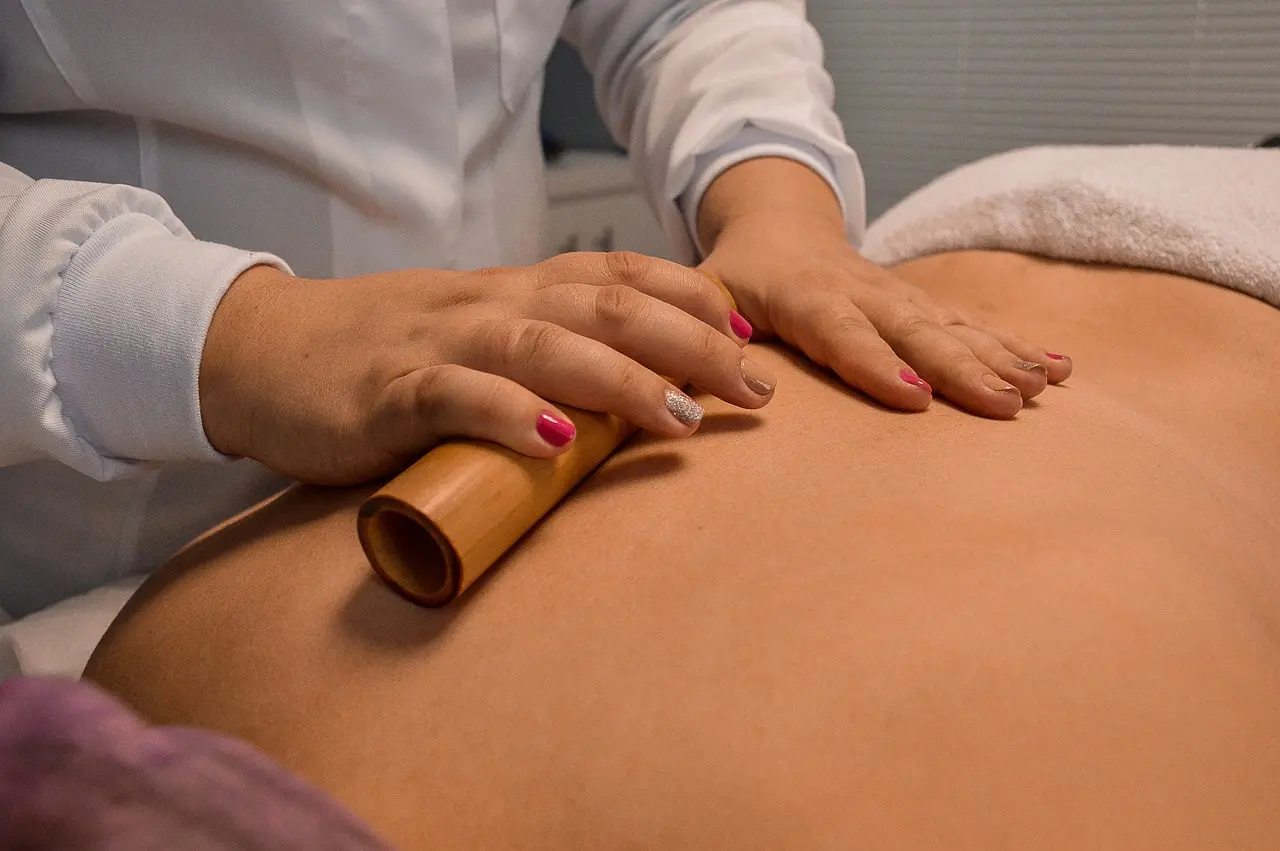
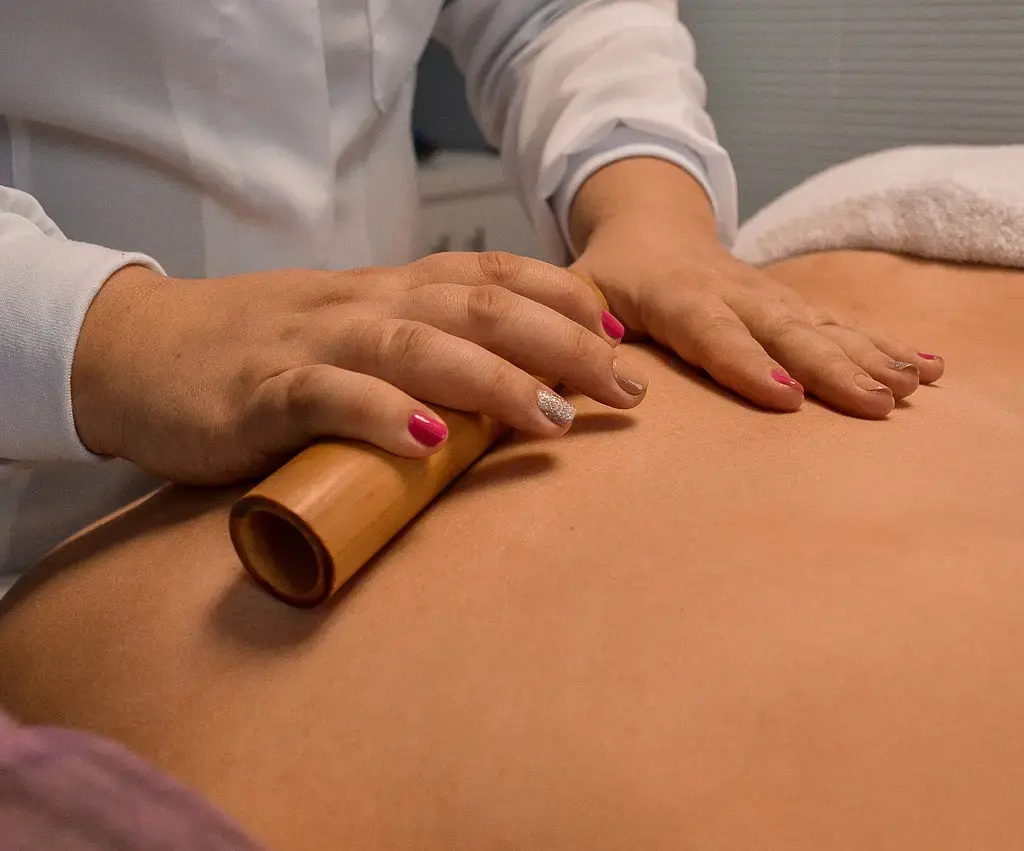
During a consultation, the kinesiologist performs a comprehensive assessment of the patient’s posture, mobility, muscle tone, and movement quality. Based on this evaluation, they design an intervention plan that may include active exercises, manual techniques, movement retraining, and complementary tools, depending on the case.
The ultimate goal is to restore function and allow the body to move freely, without pain or limitations. In this sense, kinesiology becomes a powerful tool for improving quality of life from a functional and integrative perspective.
How it differs and complements other disciplines
Although kinesiology shares territory with fields such as physiotherapy, physical training, and osteopathy, its approach is distinguished by its specific focus on movement as the therapeutic axis. It doesn’t limit itself to treating the structure, but rather analyzes how the body moves as a whole.
For example, while physiotherapy may focus on relieving pain or accelerating healing after an injury, kinesiology delves deeper into the analysis of movement mechanics to prevent that injury from recurring or causing other compensatory movements. Both disciplines are entirely complementary and, when integrated, offer more lasting and comprehensive results.
It is also associated with physical education, as both value the importance of exercise. However, kinesiology has a stronger clinical foundation and focuses on the use of movement for therapeutic purposes, not just as physical activity.
Common Applications of Kinesiology in Health
La kinesiología tiene múltiples aplicaciones en diferentes etapas de la vida y para distintas condiciones físicas. Su versatilidad permite adaptarla a necesidades concretas, tanto en la prevención como en la recuperación funcional. Algunas de las situaciones más comunes donde se aplica son:
- Sports or Joint Injury Recovery
- Persistent muscle or postural aches
- Post-surgical rehabilitation
- Improvements in posture and body balance
- Mobility problems in older adults
- Core strengthening and stabilization
- Preventing falls in people with instability
It is also used in occupational health programs, where repetitive movements performed by workers are evaluated and compensatory exercises are proposed to reduce the risk of repetitive strain injuries.
Importance of movement in holistic health
The human body is designed to move. When that movement is disrupted by stiffness, pain, or muscle imbalance, the entire structure suffers. Therefore, one of the key principles of kinesiology is to restore the body’s ability to move naturally, efficiently, and without pain.
By working through movement, deep muscle systems are activated, circulation is improved, breathing is stimulated, and the mind-body connection is fostered. The kinesiologist teaches the patient to move better, but also to understand their body, identify bad habits, and generate sustainable changes over time.
A diferencia de intervenciones pasivas, el trabajo kinesiólogico empodera a la persona, haciéndola parte activa de su propio proceso de recuperación y salud.
At Therapeía we combine knowledge and movement to take care of you
At Therapeía Physiotherapy and Movement, we firmly believe in the value of kinesiology as an essential part of physical care. Our approach is based on movement analysis and the design of personalized strategies for each individual, from rehabilitation to functional training.
Somos un equipo que entiende el cuerpo en movimiento, por eso no solo tratamos el síntoma, sino que buscamos las causas reales del dolor o la disfunción. A través de la kinesiología y la fisioterapia, creamos programas efectivos, conscientes y adaptados a tu estilo de vida.
If you want to regain your functionality, prevent injuries, or improve your movement, at Therapeía we support you with personalized, professional, and evidence-based treatment. Your body is made to move, and we help you do it right.