
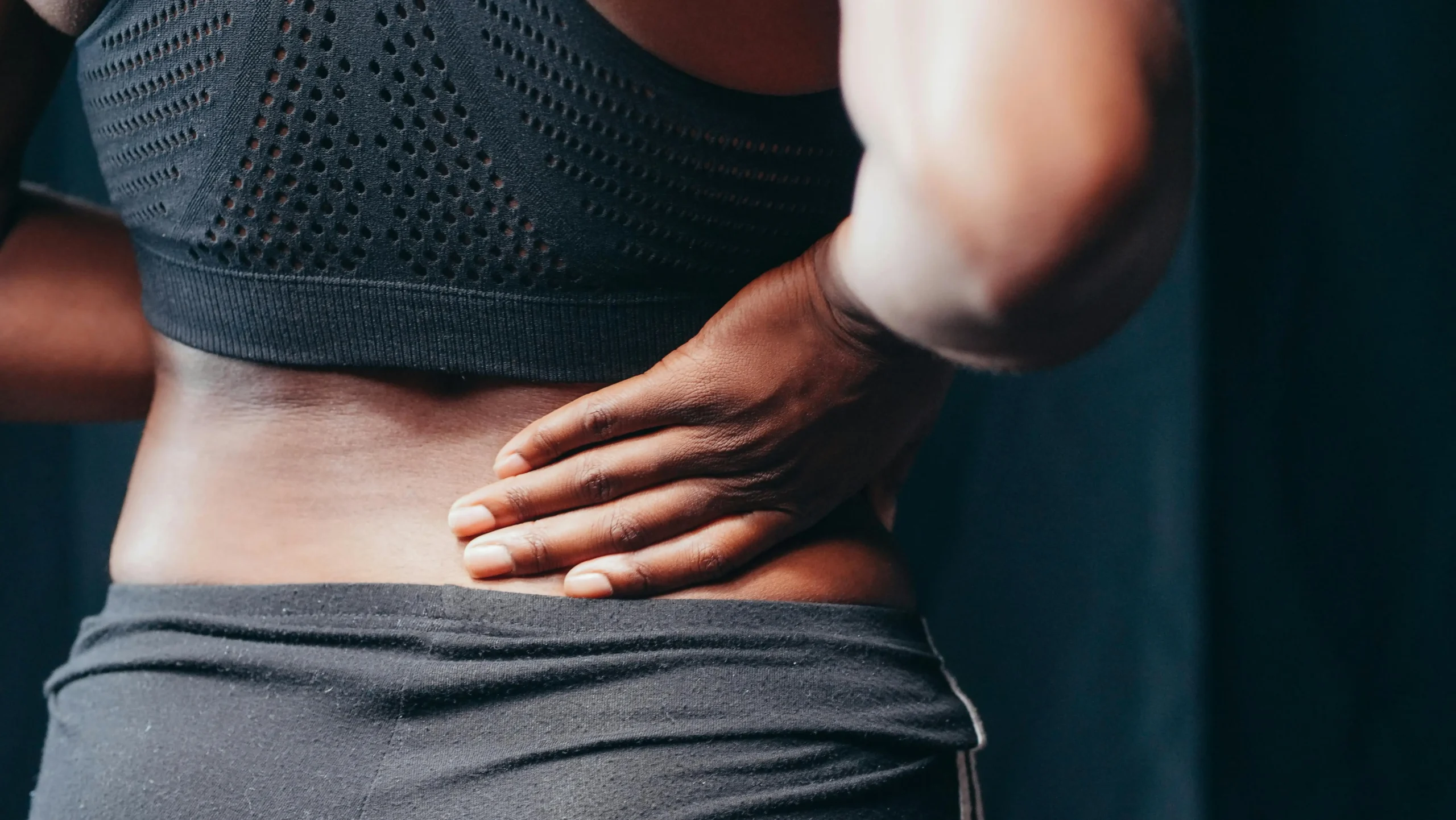
Lower back pain is one of the most frequent reasons for seeking medical and physiotherapy consultations worldwide. It affects both young people and adults and can be related to multiple factors, from poor posture to more complex conditions such as herniated discs, osteoarthritis, or muscle strain. Despite its high incidence, in many cases it can be prevented or successfully treated when addressed appropriately.
This discomfort, located in the lower back, often limits mobility, affects sleep quality, and makes everyday tasks like walking, bending over, or even standing for long periods difficult. The good news is that with timely treatment and a body care routine, lower back pain can be managed, improved, and in many cases, eliminated without the need for invasive solutions.
What is low back pain and why does it occur?
The term lower back pain refers to any discomfort that occurs in the lower back, just above the pelvis. This region, known as the lumbar region, is composed of vertebrae, intervertebral discs, muscles, ligaments, and nerves that support much of the body’s weight and allow for spinal mobility.
The causes of back pain can be varied. Sometimes, it’s due to a specific, poorly executed effort or maintaining a posture for hours, such as sitting in front of a computer without proper support. In other cases, it’s related to structural injuries, muscle imbalances, or even emotional situations like stress, which creates tension in the back muscles.
Among the most common causes are sedentary lifestyle, repetitive movements, core weakness, joint blockages, being overweight, pregnancies, and certain disc pathologies.
How to identify the symptoms of low back pain
Lower back pain doesn’t always manifest in the same way for everyone. It can present as a mild, constant discomfort or as a sharp, debilitating pain that prevents normal movement. Sometimes it radiates to the buttocks, the back of the thigh, or even down the foot, as in the case of sciatica.
Common symptoms include:
- Stiffness in the lower back, especially when waking up
- Difficulty bending forward or turning the trunk
- Pain that increases when standing for a long time or lifting weights
- Feeling weak in the legs
- Muscle contractures in the lumbar or sacral area
These signs can appear suddenly, after a sudden movement, or develop slowly, as a result of an accumulation of tension or bad postural habits.
What to do to prevent low back pain
Preventing lower back pain involves a combination of good habits, regular physical activity, and good body awareness. It’s not just about avoiding exertion, but about strengthening the body so it can respond effectively to the demands of daily life.
Some key aspects to consider include maintaining an upright posture when sitting, using chairs with lumbar support, lifting objects from the floor by bending your knees and not your back, and taking active breaks if you work many hours in front of a screen.
It is also advisable to strengthen the abdominal and lumbar muscles, which act as a natural support for the spine, and to avoid prolonged sedentary behavior, which weakens the muscles responsible for maintaining posture.
Sleeping well, reducing stress, and maintaining a healthy body weight are other factors that directly influence the health of the lower back.
Effective treatments to relieve low back pain
When lower back pain is already present, it’s important to take appropriate action to prevent it from becoming a chronic problem. Treatment will depend on the cause and severity, but physical therapy is usually the safest and most effective option in most cases.
Professional intervention focuses on reducing pain, improving mobility, correcting posture, and preventing relapses. It’s not just about “releasing muscle tension,” but about addressing the root of the problem with a holistic approach.
Treatment may include:
- Manual therapy to release tension and improve joint mobility
- Specific Core Strengthening and Stability Exercises
- Techniques such as dry needling, diathermy or neuromodulation, if there are persistent contractures
- Guided and progressive stretches to improve muscle elasticity
- Global postural re-education and ergonomics adapted to each person’s lifestyle
In addition to relieving pain, the goal is to help the patient regain control over their body, understand their movements, and learn to prevent future discomfort.
The role of physiotherapy in recovery and prevention
Physiotherapy is essential for both treating and preventing lower back pain. It focuses not only on eliminating the symptom but also on teaching the body to function better. Through a personalized plan, the physiotherapist assesses the cause of the problem, analyzes movement patterns, and proposes adapted exercises that allow for a safe and progressive recovery of function.
During the therapeutic process, potential compensatory behaviors are identified, and breathing, movement control, and muscle endurance are addressed. Furthermore, the patient is taught to recognize their body’s warning signs in order to intervene promptly and prevent relapses.
Thanks to this approach, many people are able to return to their usual activities without pain, regain their functional independence, and enjoy a more active and healthy lifestyle.
At Therapeia we help you relieve low back pain and improve your mobility
At Therapeía Physiotherapy and Movement, we understand that lower back pain can significantly limit your daily life. That’s why we design personalized treatments that combine advanced physiotherapy techniques, therapeutic exercise, and postural education so you can move with confidence and less discomfort.
Nuestro equipo valora cada caso de forma individual, buscando el origen del dolor y proponiendo soluciones reales y sostenibles. No solo tratamos los síntomas, sino que te damos herramientas para prevenir futuras recaídas y fortalecer tu cuerpo.
If you need relief from your lower back pain and want to improve your quality of life, schedule an appointment with us. We’re here to support you through your recovery, step by step, with attentive and professional care.