Massage therapy is one of the oldest and most effective techniques within the field of manual physiotherapy. It consists of applying different types of therapeutic massage to relieve muscle pain, improve circulation, reduce tension, and promote the body’s functional recovery. It is used in both sports and clinical settings, and its versatility makes it a key tool in any rehabilitation program.
Although many people associate massage with a relaxing experience, massage therapy goes far beyond superficial well-being. When administered by trained professionals, it becomes a therapeutic intervention that acts directly on the musculoskeletal and nervous systems, generating positive physical and psychological effects.
What is massage therapy and how is it different from a conventional massage?
Massage therapy is a physiotherapy technique that uses manual manipulation of the body’s soft tissues, such as muscles, tendons, and fascia, for clinical purposes. Unlike relaxation or aesthetic massage, this intervention has well-defined therapeutic objectives, such as reducing pain, improving muscle function, draining accumulated fluids, or accelerating recovery after an injury.
There are different types of massage therapy, which are applied according to the diagnosis and needs of the patient:
- Decontracting massage, to release deep tensions
- Circulatory massage, to activate venous and lymphatic circulation
- Sports massage, focused on muscle preparation or recovery before or after physical exertion
- Manual lymphatic drainage, for anti-inflammatory and detoxifying purposes
- Deep transverse massage or cyriax, used to treat adhesions or fibrosis in tendons and ligaments
The professional assesses the condition of the tissue, the type of injury, and the patient’s tolerance before applying any technique, thus ensuring an effective and safe treatment.
What are the benefits of massage therapy in physiotherapy?
The benefits of massage therapy are extensive, ranging from improved mobility to stress relief. Its effectiveness lies in its ability to stimulate both the body’s physical and neurophysiological mechanisms. Some of the most notable benefits include:
- Decreased muscle and joint pain
- Reduced excessive muscle tone (hypertonia)
- Improved venous and lymphatic return
- Increased blood flow to the treated area
- Release of endorphins and calming effect on the nervous system
- Prevention of adhesions and stiffness in post-surgical processes
- Improved joint range of motion
- Feeling of physical and mental relaxation
Furthermore, by improving the quality of soft tissue, massage therapy enhances the results of other physiotherapy techniques such as therapeutic exercises, dry needling, neurodynamics, or percutaneous electrolysis.
In which cases is massage therapy indicated?
Massage therapy is used in a wide variety of pathologies and clinical situations. It is commonly applied to patients who present with:
- Muscle contractures
- Neck pain, back pain or low back pain
- Sports injuries (tears, overloads, strains)
- Tendinopathies
- Mild circulatory disorders
- Myofascial pain
- Fibromyalgia or chronic muscle fatigue
- Postoperative with muscle stiffness or edema
It can also be used for preventative purposes, especially in people who have a high physical workload (such as athletes or manual laborers) or in those who maintain prolonged postures that generate tension.
Considerations before applying massage therapy
Although massage therapy is a safe technique when performed by a professional, it is important to be aware of certain contraindications and precautions. It should not be applied to:
- Active infectious processes or open wounds
- Recent unconsolidated fractures
- Deep vein thrombosis or oedema of cardiac origin
- Skin diseases such as eczema or psoriasis in the active phase
- Tumors or areas with suspected oncological lesions
- Febrile states or acute decompensations
In addition, the pressure, duration, and type of maneuver must be adjusted according to the patient’s condition to avoid adverse effects such as residual pain or tissue irritation.
It is always recommended that the application of massage therapy be part of a comprehensive physiotherapy treatment, with well-defined objectives and under professional supervision.
How is a massage therapy session performed?
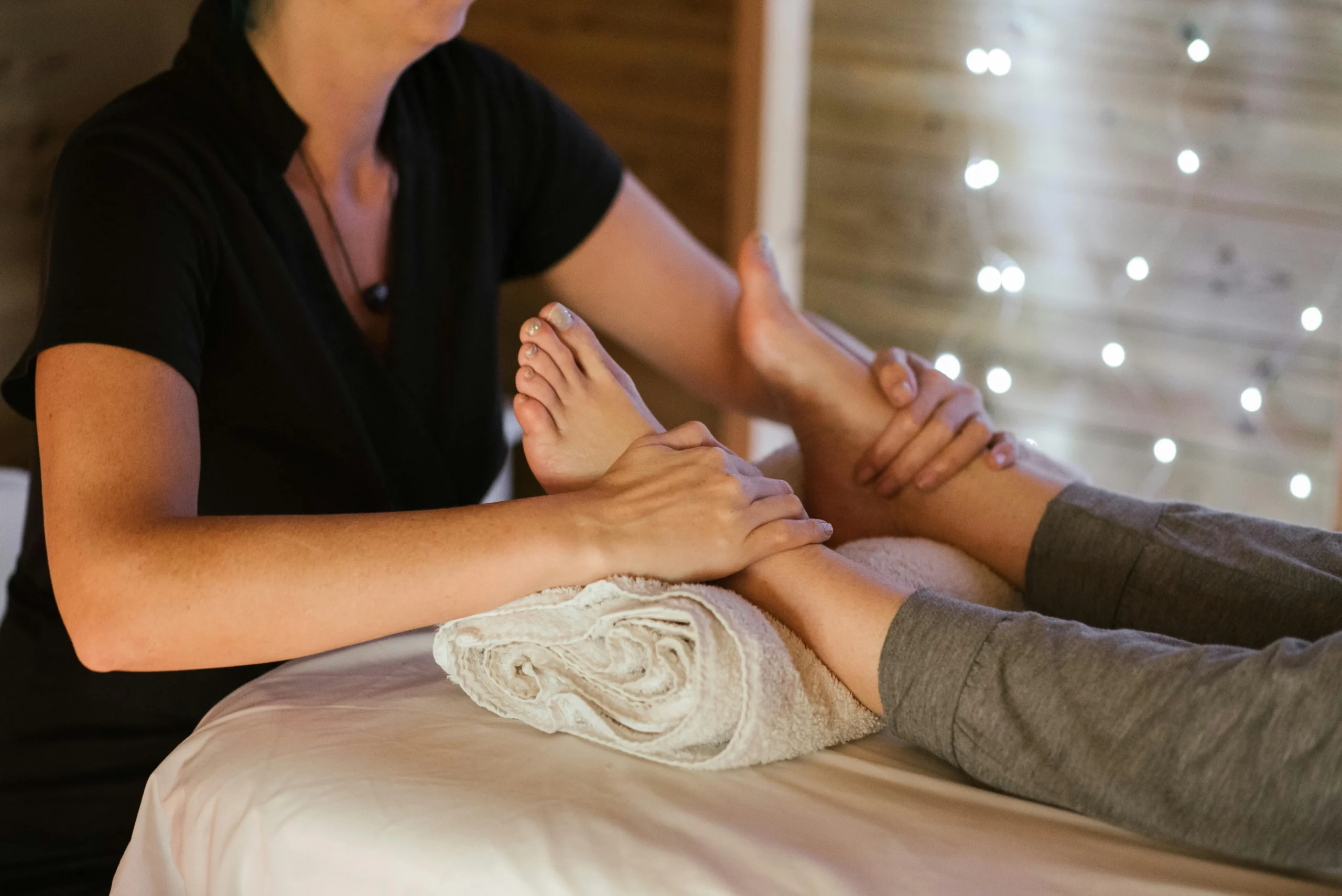
A massage therapy session begins with a preliminary assessment by the physiotherapist, who examines the condition of the tissue, locates points of tension or pain, and determines the most appropriate technique. Oils or creams may be used to facilitate hand movement, and the patient’s position is adjusted for greater comfort.
Treatment can focus on a specific area (such as the back, neck, or legs) or encompass several regions depending on the needs. Techniques may include kneading, friction, sustained pressure, passive stretching, and specific methods to release fascial tissue.
The duration varies between 20 and 45 minutes, and can be repeated several times a week depending on the therapeutic goal. After the session, it is recommended to drink water, avoid strenuous activity, and observe how the body responds to the applied stimulus.
Massage therapy and its integration with other therapies
One of the great advantages of massage therapy is its ability to be combined with other interventions. It already has positive effects on its own, but its integration into a comprehensive program significantly improves the results.
In physiotherapy, it is usually combined with:
- Personalized therapeutic exercise
- Osteopathic manual therapy or joint mobilizations
- Invasive techniques such as dry needling or neuromodulation
- Diathermy or radiofrequency to prepare the tissue
- Global postural re-education
This synergy allows us not only to treat the symptom, but also to address the cause of the dysfunction and prevent the problem from recurring.
Massage therapy: a useful resource also in prevention
You don’t have to wait until you’re injured to benefit from massage therapy. Regular use can prevent muscle discomfort, improve physical performance, and reduce accumulated stress. It’s ideal for those who exercise frequently, for workers experiencing physical stress, or for anyone seeking a proactive approach to their health.
The key is to receive intervention from a physiotherapist with specific training, who knows when to apply each technique, with what objective and how to integrate it within a personalized approach.
At Therapeia we apply massage therapy with a clinical and personalized approach
At Therapeía Physiotherapy and Movement, we incorporate massage therapy as a key tool in our treatments. We evaluate each case individually and decide when and how to apply therapeutic massage based on the patient’s symptoms, diagnosis, and progress.
Our team of physiotherapists specializes in advanced manual techniques and combines massage therapy with therapeutic exercise, cutting-edge technology, and postural education. All of this ensures comprehensive treatment tailored to your specific needs.
If you’re looking to relieve muscle tension, recover from an injury, or simply prevent physical discomfort, schedule an appointment with us. At Therapeía, we work to help you feel better by addressing the root of the problem with a professional, friendly, and personalized approach.