Diathermy is a therapeutic technique used in physiotherapy that has proven highly effective in treating muscle, joint, and soft tissue injuries. Its ability to generate deep, localized heating in tissues makes it a key tool in rehabilitation, recovery, and pain relief.
This technology, which combines science and innovation, has been gaining ground in advanced physiotherapy clinics due to its numerous benefits, versatility, and ability to accelerate recovery times. Diathermy, also known as radiofrequency or TECAR therapy in some contexts, works from within the body, unlike other superficial methods, achieving profound effects without being invasive or uncomfortable for the patient.
What is diathermy and how does it work in the body?
Diathermy is a type of high-frequency current applied to the human body to generate a controlled increase in temperature in deep tissues. This thermal increase activates physiological processes such as vasodilation, increased cellular metabolism, and stimulation of the lymphatic and circulatory systems.
There are two main ways of application:
- Capacitive, which acts especially on the most superficial and water-rich tissues, such as muscles.
- Resistive, which reaches denser tissues such as tendons, ligaments or bones.
Both ways allow the physiotherapist to adjust the treatment according to the type of injury and the depth of the affected tissue, personalising each session and maximising the results.
Main benefits of diathermy in physiotherapy
The benefits of diathermy are numerous and are noticeable in both pain relief and improved function of the treated tissue. Regular use, under professional supervision, accelerates processes that would naturally take longer.
Among its main benefits are:
- Reduced pain, even in chronic injuries
- Accelerated healing and tissue regeneration
- Decreased swelling and edema
- Deep muscle relaxation
- Improved joint mobility
- Increased blood flow in areas with poor blood supply
Furthermore, as it is a non-invasive technique, it requires no recovery time and produces no side effects if applied correctly. This makes it an ideal option for patients with persistent pain, athletes in rehabilitation, or elderly people with joint limitations.
Most common indications for the use of diathermy
Diathermy is used to treat a wide variety of injuries and conditions, both acute and chronic. It is commonly found in sports physiotherapy, post-surgical rehabilitation, and functional recovery programs.
Some of the most common pathologies treated with this technique include:
- Tendinopathies (patellar, Achilles, epicondylitis)
- Deep muscle contractures
- Chronic low back pain and neck pain
- Plantar fasciitis
- Joint sprains
- Myofascial pain syndrome
- Bursitis and capsulitis
- Overuse muscle injuries
It is also successfully used in postoperative edema, painful or inflamed scars, joint stiffness, and in the treatment of adhesions in advanced stages of recovery.
How is a diathermy session performed?
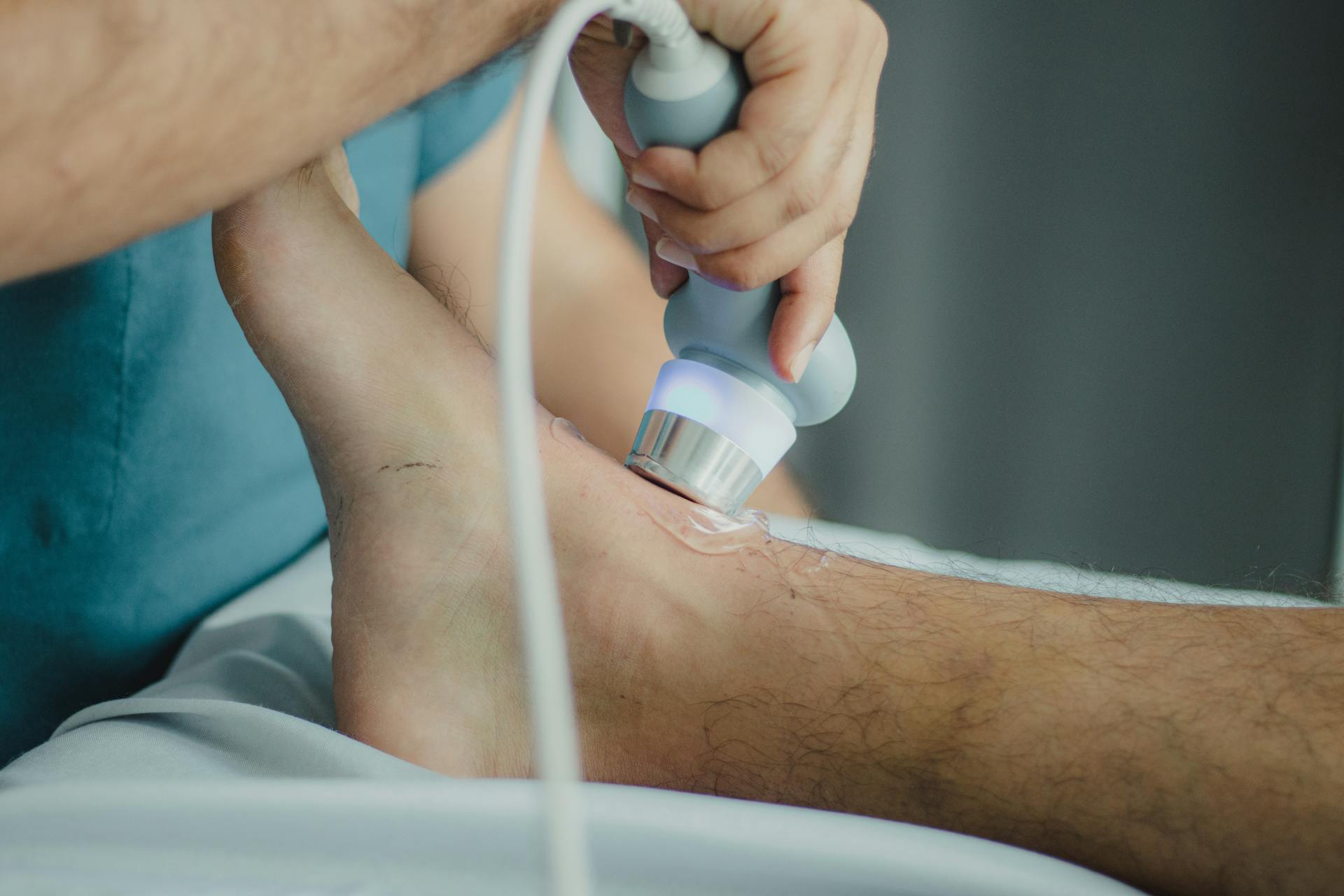
During a diathermy session, the physiotherapist places electrodes on the area to be treated. These can be mobile (they slide during the session) or fixed (they remain in position to act at a deeper level). The duration of each session varies between 15 and 30 minutes, depending on the therapeutic objective.
The patient may notice a pleasant and relaxing sensation of warmth, without any pain. The temperature is regulated by the practitioner according to the tissue’s response and the patient’s tolerance.
In general, diathermy is integrated into a complete physiotherapy session, combined with manual therapy, therapeutic exercise or complementary techniques, which enhances its effectiveness and improves the evolution of the injury.
Differences between diathermy and other heat treatments
Although there are other ways to apply heat in physiotherapy, such as infrared, thermal blankets or paraffin baths, diathermy has a great advantage: its ability to act on deep tissues without overheating the skin surface.
This allows for a more therapeutic, sustained, and safe effect, ideal for injuries located in deeper muscle layers, joints, or areas with poor blood supply. Furthermore, diathermy directly stimulates cellular metabolism, which does not occur with other more general or superficial heat treatments.
Who can benefit from diathermy?
Diathermy is a suitable technique for most patients, provided there are no specific contraindications. It is indicated for people suffering from musculoskeletal pain, athletes in recovery, older adults with functional limitations, patients undergoing post-surgical rehabilitation, or people with long-standing injuries that have not improved with other treatments.
However, it should be avoided in people with pacemakers, pregnant women, patients with active infections, or those with tumors in the application area. Therefore, it is essential that the treatment be prescribed and administered by qualified physiotherapists.
Combination with other physiotherapy techniques
One of the most valuable aspects of diathermy is its ease of integration into comprehensive treatments, combining it with other therapeutic approaches. As a technique that prepares tissue by generating vasodilation and muscle relaxation, it enhances the effects of manual therapy, facilitates movement during therapeutic exercises, and improves the patient’s perception of their physical condition.
It can also be used before or after dry needling, neurodynamics, percutaneous electrolysis, or functional training sessions, depending on the treatment goals.
Technology and precision for faster recovery
Diathermy represents the union between technology and evidence-based physiotherapy. Its controlled and targeted application allows for precise treatment of affected tissues, accelerating recovery times and improving the quality of treatment.
When incorporated into an individualized therapeutic plan, the results are visible not only at a physical level, but also in the patient’s confidence and well-being, who perceives real improvements from the first sessions.
At Therapeia we apply diathermy to improve your recovery
At Therapeía Physiotherapy and Movement, we use diathermy as part of our advanced treatments, combining it with manual therapy, therapeutic exercise, and innovative techniques to accelerate the recovery process and relieve pain.
Our team of physiotherapists is trained in the safe and effective use of this technology, allowing us to apply it according to your needs, goals, and clinical diagnosis. We design each session individually, always seeking maximum therapeutic benefit.
If you’re in rehabilitation, suffering from a chronic injury, or need an effective solution for your physical discomfort, schedule an evaluation with us. At Therapeía, we help you regain your well-being with technology, experience, and personalized care.